
Sourcing education
Grains and pulses: a buyer specification guide
Codex CXS 199 covers wheat grains intended for processing for human consumption.[1]
CXS 198 covers rice forms for direct consumption; CXS 171 covers specified pulses for direct consumption.[2],[3]
Free for buyers. One reviewed request; our team approaches suitable independent suppliers and returns comparable proposals — you never deal with a supplier directly, and suppliers cannot pay for placement. Assisted sourcing applies to programmes of USD 250,000 or more per year or season.
Educational profile, not an offer. Facts are general and come from the numbered sources; guidance boxes are our own buyer advice. No verified supplier offer for this item is on file — origin, grade, certification, packing and timing are confirmed per offer, with evidence, during sourcing.
Products in grains and pulses
3 of 3
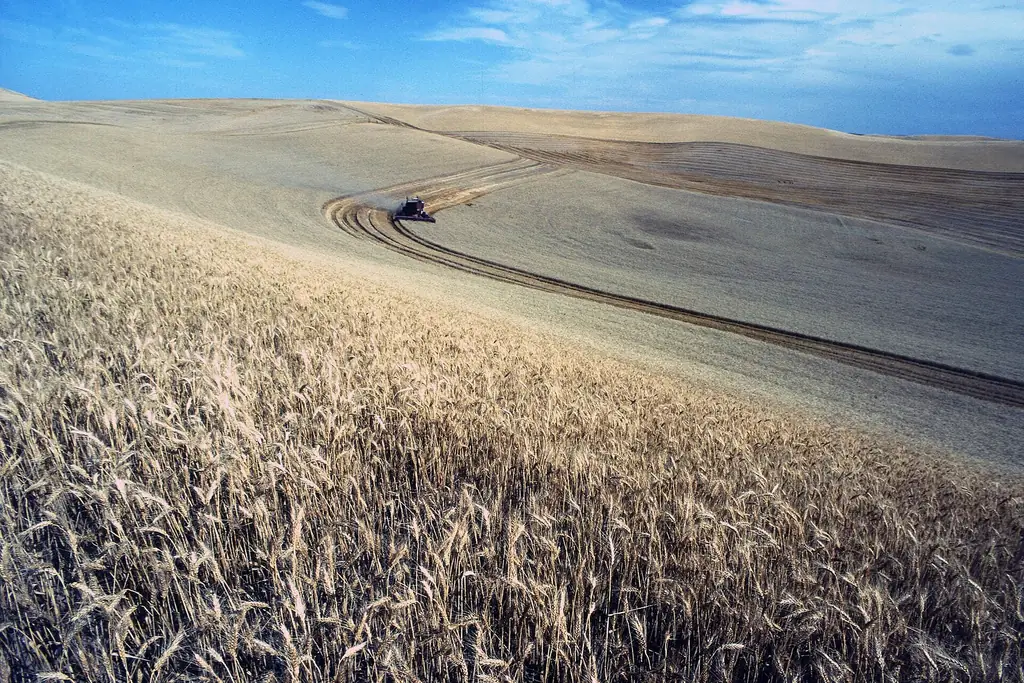
Photo: U.S. Department of Agriculture, Public domain, via Wikimedia Commons. Illustrative; not a photo of any offer. Wheat
Bulk wheat for import: Hard Red Winter, Hard Red Spring, soft and white classes and durum, with the protein and quality specs buyers write into an RFQ.
- Hard Red Winter (HRW)
- Hard Red Spring (HRS)
- Soft Red Winter (SRW)
- Hard White (HW)
- Soft White (SW)
- Durum
No separate premium grade in the sources used.
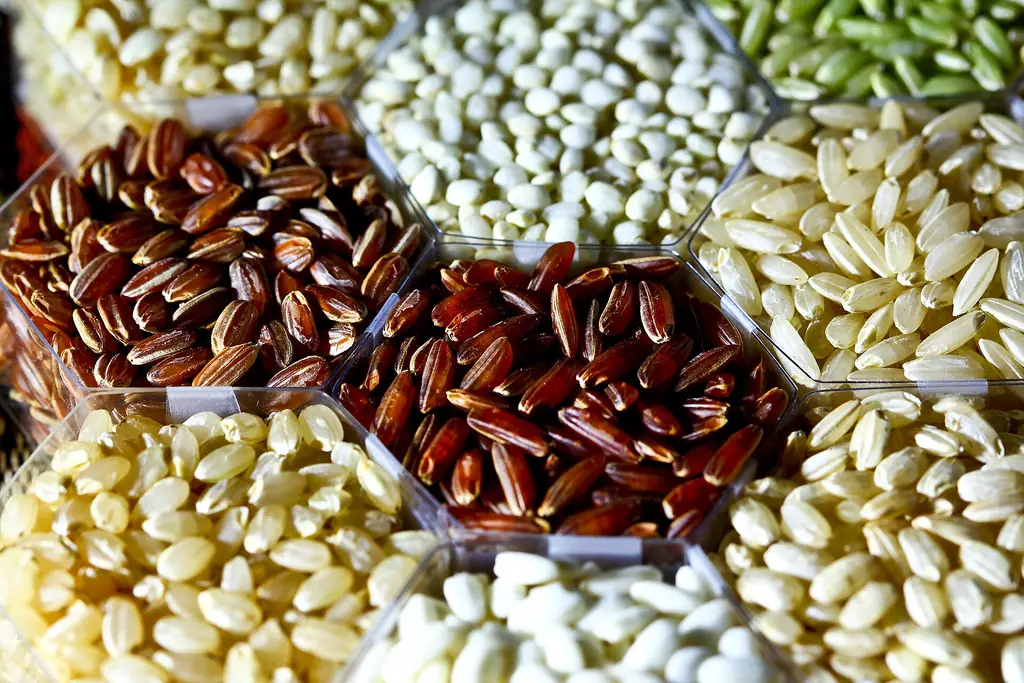
Photo: IRRI Images, CC BY 2.0, via Wikimedia Commons. Illustrative; not a photo of any offer. Rice
Bulk rice for import: long, medium and short grain, brown, milled, parboiled and aromatic types, with the grade and quality specs to put in an RFQ.
- Long grain
- Medium grain
- Short grain
- Husked / brown
- Milled / white
- Parboiled
No separate premium grade in the sources used.
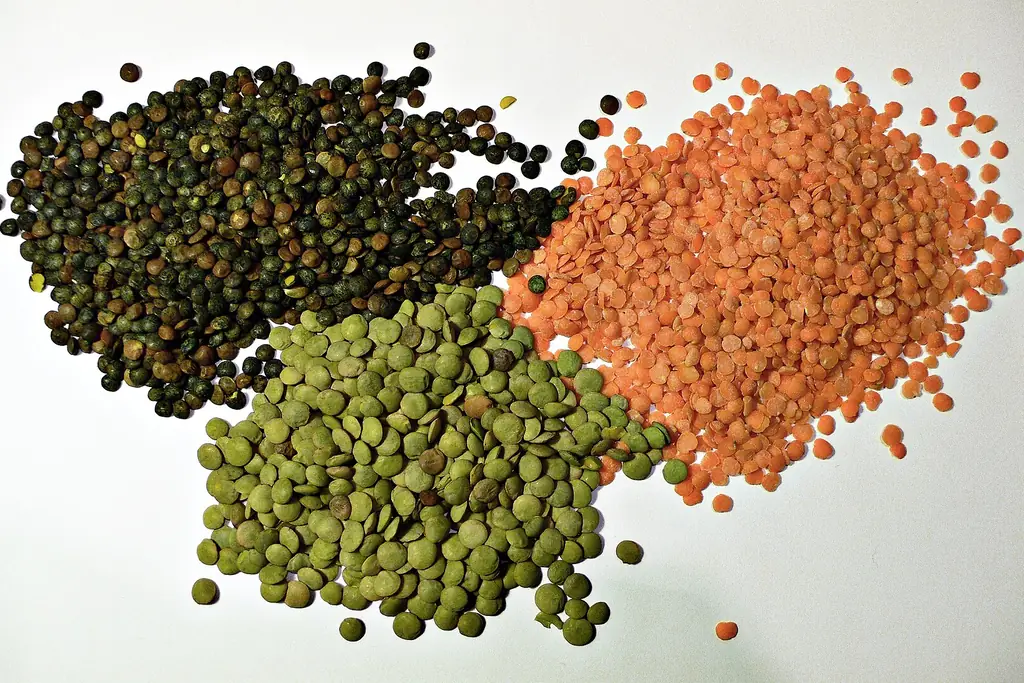
Photo: Justinc, CC BY-SA 2.0, via Wikimedia Commons. Illustrative; not a photo of any offer. Lentils
Bulk lentils for import: red, green, brown and split types, the grade standards that apply and the quality specs to write into a wholesale RFQ.
- Red
- Green
- Brown
- Split
No separate premium grade in the sources used.
Compare at a glance
Each row summarises the product profile; the storage line is quoted from the named source. Open a profile for the full, sourced detail.
| Product | Types covered | Reference standard | Top class defined | Storage and handling |
|---|---|---|---|---|
| Wheat | Hard Red Winter (HRW), Hard Red Spring (HRS), Soft Red Winter (SRW), Hard White (HW), Soft White (SW) | Standard for Wheat and Durum Wheat, CXS 199-1995 | No | Codex notes that lower moisture limits may be needed for destination climate and transport or storage duration. (FAO/WHO Codex Alimentarius) |
| Rice | Long grain, Medium grain, Short grain, Husked / brown, Milled / white | Standard for Rice, CXS 198-1995 | No | Lower moisture limits may be needed for particular climates and transport or storage durations. (FAO/WHO Codex Alimentarius) |
| Lentils | Red, Green, Brown, Split | Standard for Certain Pulses, CXS 171-1989 | No | Lentils.org recommends a dry, dark, cool location for packaged lentils. (Lentils.org / Saskatchewan Pulse Growers) |
Key points
Short answers to the questions buyers ask first. Each answer comes from the numbered sources below.
- Grade standards and quality parameters
- U.S. wheat numerical grading includes test weight, damaged kernels, and foreign material.[4]
- Bulk, bagged, and container planning
- The Codex wheat, rice, and pulse standards require packaging to safeguard product qualities and sacks to be clean, sturdy, and securely sewn or sealed.[1],[2],[3]
- Inspection, fumigation, and contaminant limits
- CXS 193 lists recommended maximum levels and associated sampling plans for contaminants and natural toxicants in internationally traded foods and feeds.[5]
- Crop year and shipment windows
- USDA NASS publishes usual field-crop planting and harvest dates by state using historical crop progress and specialist knowledge.[6]
Grade standards and quality parameters
- U.S. wheat numerical grading includes test weight, damaged kernels, and foreign material.[4]
- Codex moisture maxima are 14.5% for wheat and durum wheat and 15% for rice.[1],[2]
- Codex lists lentil moisture maxima of 15% and 16% for differing climatic and storage circumstances.[3]
General buyer guidance
- Specify grade standard, protein basis where relevant, moisture, defect limits, sampling, and test methods.
Bulk, bagged, and container planning
- The Codex wheat, rice, and pulse standards require packaging to safeguard product qualities and sacks to be clean, sturdy, and securely sewn or sealed.[1],[2],[3]
General buyer guidance
- Choose bulk or bagged transport to suit your receiving system.
- For container shipments, specify bag weights, liners, palletization, loading plan, and inspection access.
Inspection, fumigation, and contaminant limits
- CXS 193 lists recommended maximum levels and associated sampling plans for contaminants and natural toxicants in internationally traded foods and feeds.[5]
- CXS 199 and CXS 198 require products to be free from living insects and mites.[1],[2]
General buyer guidance
- Check destination contaminant limits and pesticide residue requirements separately.
- Agree an accredited laboratory, sampling plan, and lot-specific analysis.
- Ask your import specialist whether phytosanitary inspection or fumigation is required; specify permitted treatments and documentation rather than assuming a universal requirement.
Crop year and shipment windows
- USDA NASS publishes usual field-crop planting and harvest dates by state using historical crop progress and specialist knowledge.[6]
General buyer guidance
- State crop year, permitted carryover or blends, shipment windows, and required storage history.
- Use origin-specific harvest information rather than treating a historic calendar as a current supply forecast.
Start your request with these requirements
Fill in what you already know; it is carried into the request form, where you add your programme value and contact details. Nothing is sent until you submit the form.
Free for buyers. One reviewed request; our team approaches suitable independent suppliers and returns comparable proposals — you never deal with a supplier directly, and suppliers cannot pay for placement. Assisted sourcing applies to programmes of USD 250,000 or more per year or season.
Frequently asked questions
Does a numerical wheat grade specify every processing requirement?
The FGIS grade table sets grade factors; Codex CXS 199 separately sets requirements including moisture.[4],[1]
Are Codex moisture maxima universal storage targets?
The wheat and rice standards note that lower moisture limits can be needed for climate and transport or storage duration.[1],[2]
Where are contaminant maximum levels addressed?
CXS 193 addresses recommended contaminant and natural-toxicant levels and associated sampling plans.[5]
Related guides and tools
Other catalogue categories
Farm, plant or input projects
Production projects behind this category are handled by our specialist platform.
FeedMatchSources
Numbers in the text point to these sources. Dates are those shown on each source, or the date we checked an undated page.
- 1.Standard for Wheat and Durum Wheat, CXS 199-1995 (opens in a new tab) — FAO/WHO Codex Alimentarius, page checked 2026-10-25
- 2.Standard for Rice, CXS 198-1995 (opens in a new tab) — FAO/WHO Codex Alimentarius, page checked 2026-10-25
- 3.Standard for Certain Pulses, CXS 171-1989 (opens in a new tab) — FAO/WHO Codex Alimentarius, page checked 2026-10-25
- 4.United States Standards for Wheat (opens in a new tab) — USDA AMS FGIS, 2014-05
- 5.General Standard for Contaminants and Toxins in Food and Feed, CXS 193-1995 (opens in a new tab) — FAO/WHO Codex Alimentarius, 2025
- 6.Usual Planting and Harvesting Dates for U.S. Field Crops (opens in a new tab) — USDA NASS, 2010-10-29
Category guide last reviewed 2026-10-25.
Global B2B Group is committed to conducting its own activities in accordance with applicable law. It facilitates sourcing and RFQs and does not itself produce, manufacture, export or sell the listed products, or approve them on behalf of any authority. Suppliers are responsible for the products and shipments they offer and supply meeting the requirements of the origin and destination countries — for example safety, quality, labelling, traceability, sanitary or phytosanitary certificates and export documents, where relevant. Buyers remain responsible for their own import permissions, local requirements and due diligence. Requirements differ by product and country; this is not legal advice. Compliance & responsibilities · Terms