
Output sourcing · 12 min read
From Pond to Port: A B2B Buyer’s Guide to Wholesale Fish and Shrimp
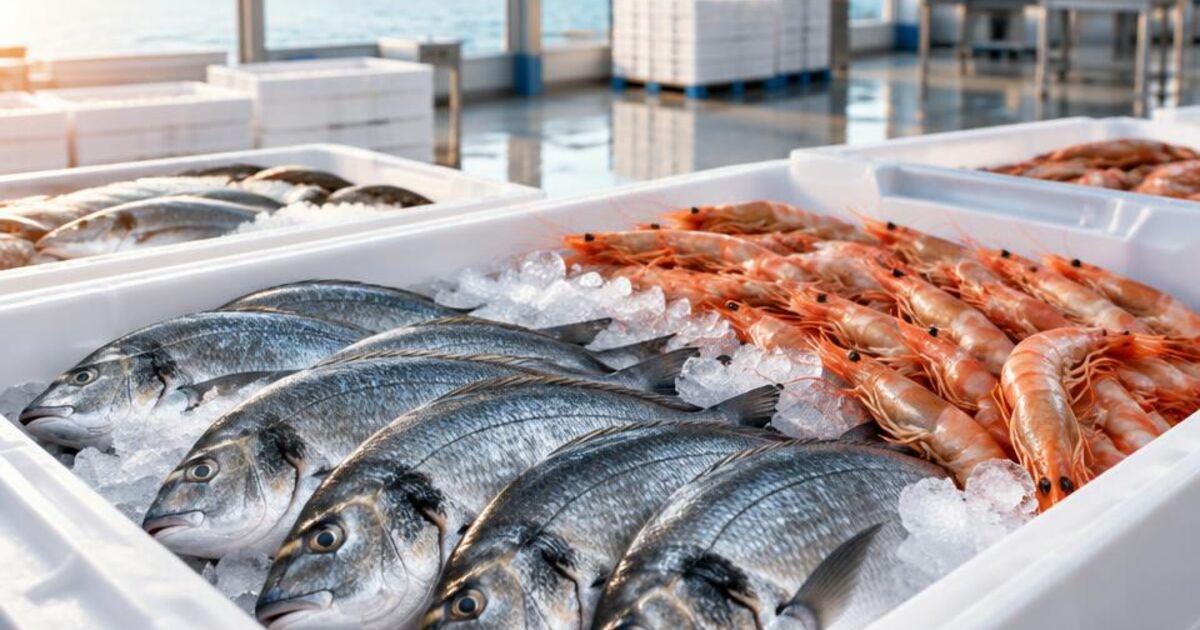
The outcome comes first. Procurement follows.
Plan the production or project → define the output and market → structure a reviewed RFQ → our team approaches suitable counterparties → compare offers. Equipment and production-line procurement remains a separate path: plan an equipment RFQ.
The outcome comes first: what are you actually buying?
A seafood RFQ fails most often because the buyer describes a category ("frozen shrimp", "white fish") rather than a product. Suppliers then quote different things, and the offers cannot be compared. Begin with the end use — retail pack, food-service, further processing or re-export — because it decides the form, grade, packaging and documents you will need.
Global B2B Group works buyer-side: we help you define the requirement, our team reviews it, approaches suitable producers or exporters on your behalf and returns comparable offers. There is no unvetted direct contact before review, and we do not guarantee supply, quality, price or a sale.
Species, origin and production method
Name the species by its common and scientific name where confusion is possible — trade names vary between markets, and some regulators and labelling rules work from the scientific name. State whether you need wild-caught, farmed (aquaculture) or will accept either, and whether a specific origin, catch area or farming system matters to your customers.
- Common name and scientific name (for example, whiteleg shrimp — Penaeus vannamei / Litopenaeus vannamei)
- Wild-caught or farmed; catch area or country of origin if required by your market
- Any certification your customers already demand — list it as a buyer requirement, not an assumption about the supplier
Product form, size and grade
Product form defines the processing the supplier must perform. For fish: whole round, gutted, head-on or headless, fillets (skin-on/skinless, pin-bone out), portions or loins. For shrimp: head-on shell-on (HOSO), headless shell-on, peeled and deveined, tail-on or tail-off, raw or cooked.
Size is expressed differently by product — pieces per kilogram or per pound for shrimp, weight bands for whole fish and fillets. Write the unit explicitly and the tolerance you will accept. If you buy frozen glazed product, state whether the price and weight refer to net (deglazed) or gross weight; this single line removes a frequent source of disputes.
Fresh, chilled or frozen — and how it was processed
State the condition (fresh/chilled, frozen, IQF, block frozen, cooked-frozen), the freezing method if it matters, the target storage temperature and the minimum remaining shelf life on arrival. The Codex Code of Practice for Fish and Fishery Products sets out internationally recognised hygiene and handling practice for fish and fishery products, including temperature control; it is a useful shared reference when you discuss handling with a supplier, but it does not replace the law of your destination market.
Volume, frequency and the harvest window
Give a realistic volume per shipment and per year, the delivery cadence and whether you need a trial order first. Farmed species may be available on a planned harvest cycle; wild species depend on seasons and quotas. Ask suppliers to state their own availability windows rather than assuming year-round supply.
Managed sourcing through Global B2B Group applies to programmes of at least USD 250,000 in annual or seasonal value. Smaller requests are recorded and reviewed but do not trigger supplier outreach.
Packaging, destination and terms
Specify inner and outer packaging, net weight per carton, labelling language and pallet or container configuration. Name the destination country and port and, where applicable, the Incoterms® rule you want quoted (for example FOB or CFR) so freight and risk are allocated the same way in every offer.
Cold chain and traceability documents
FAO describes end-to-end traceability as the ability to follow fish and fishery products through every stage from capture or farming to the consumer. In practice, ask each supplier which records they can share for each lot: harvest or catch information, processing establishment, lot codes, temperature records and the export documents the destination requires.
Documentation requirements differ by market. In the United States, for example, NOAA's Seafood Import Monitoring Program sets reporting and record-keeping requirements for certain imported species. In the European Union, catch certification rules apply to imports of wild-caught fishery products to counter illegal, unreported and unregulated fishing. These are examples only — check the current rules for your product and destination with the competent authority.
Buyer & seller checklist
Editorial suggestions for a complete request — not legal requirements.
- Species: Common and scientific name; wild-caught or farmed; origin requirements
- Product form: Whole, gutted, fillet, portion; HOSO, headless, peeled and deveined; raw or cooked
- Size / grade: Unit (pieces per kg or lb, weight band) and accepted tolerance
- State: Fresh/chilled, IQF or block frozen; glazing and net-weight basis
- Volume and cadence: Per shipment, per year, trial order, delivery frequency
- Harvest window: Ask suppliers for their availability windows, not assumptions
- Packaging: Inner/outer pack, carton weight, labelling language, pallet/container load
- Destination and terms: Country, port and Incoterms® rule to quote
- Cold chain: Storage temperature, reefer requirements, minimum shelf life on arrival
- Traceability and documents: Lot records and the destination's import and health documents
Planning the production side? FishMatch
Our specialist platform for aquaculture and seafood project planning — farms, hatcheries, RAS and processing — and the sourcing that follows.
Go to FishMatchOptional next step
This guide is free to use. If you have a programme of USD 250,000 or more per year or season, you can send a request for review. A request is not a guarantee of supply, quality, price or a sale.
Request a reviewed supply programmeFrequently asked questions
- What information makes a seafood wholesale RFQ actionable?
- Species with scientific name, wild or farmed, product form, size grade with unit, fresh or frozen state, volume and cadence, packaging, destination with the quoting terms, and the cold-chain and traceability documents you need. Without these, offers cannot be compared like for like.
- Do you connect me directly with seafood suppliers?
- No. Our team reviews your request first, then approaches suitable producers or exporters on your behalf and returns comparable offers. Introductions happen only after review and fit.
- Is there a minimum order size?
- Managed sourcing applies to programmes of at least USD 250,000 in annual or seasonal value. The guides and checklists are free to use at any size.
- Which import documents will I need?
- That depends on the product, the species and the destination. Use the primary sources linked in this guide as a starting point and confirm current rules with the competent authority in your market.
Sources and editorial note
- FAO — End-to-end traceability for fisheries and aquaculture
- FAO/WHO Codex Alimentarius — Code of Practice for Fish and Fishery Products
- NOAA Fisheries — Seafood Import Monitoring Program (U.S. example)
- European Commission — Illegal, unreported and unregulated fishing rules (EU example)
Written by the Global B2B Group project team. Published and last reviewed . Regulatory references are examples and change over time; confirm current requirements for your product and destination with the competent authority. This guide is not legal advice.
Related guides and tools
- FishMatch — aquaculture and seafood project platform
- Fish & shrimp packaging line buyer guide
- Shrimp farm export packing project planning
- Output sourcing: request a reviewed supply programme
- Knowledge Center — output procurement checklists
- Business Intelligence Center — official trade and market sources
- Separate path: equipment and production-line RFQ builder