
Output sourcing · 11 min read
Poultry and Egg Procurement at Scale: A Practical B2B Buyer Checklist
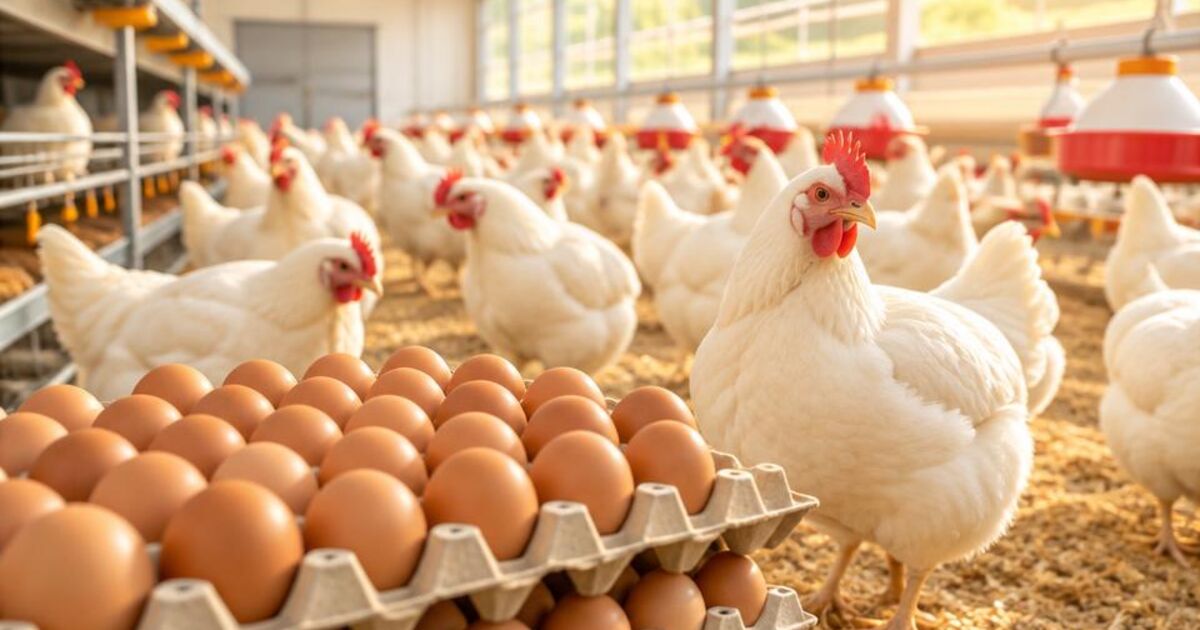
The outcome comes first. Procurement follows.
Plan the production or project → define the output and market → structure a reviewed RFQ → our team approaches suitable counterparties → compare offers. Equipment and production-line procurement remains a separate path: plan an equipment RFQ.
The outcome comes first: eggs, egg products or poultry meat?
"Poultry" covers very different purchases. Shell eggs, liquid or dried egg products, whole birds and cut parts each have their own specifications, shelf life and handling. Decide which you are buying and for what use — retail, food-service or further processing — before you request offers.
Global B2B Group works buyer-side. We help structure the request, review it, approach suitable producers or packers on your behalf and return comparable offers. We are not a producer, there is no unvetted direct contact before review, and we do not guarantee availability, quality, price or a sale.
Specifying eggs
For shell eggs, state the size or weight class, shell colour, the grade or quality standard you buy against, the pack (trays, cartons, cases) and the maximum age at dispatch and minimum shelf life on arrival. For egg products, state the form (liquid whole egg, yolk, white, dried) and any pasteurisation or microbiological specification.
The USDA Agricultural Marketing Service provides voluntary grading services that include shell eggs and poultry. They are a U.S.-specific example: other markets use their own classes and standards, so quote the standard your destination applies.
Specifying poultry meat
Name the species (chicken, turkey, duck), whether you need whole birds or specific cuts (breast, thigh, wing, leg quarter), bone-in or boneless, skin-on or skinless, the weight range per piece or bird and the tolerance. State fresh-chilled or frozen, and any slaughter-method requirement your market has, such as halal, as a buyer requirement.
Volume and delivery cadence
Poultry supply runs on flock cycles, so a credible request gives weekly or monthly volume, contract length and planned start date. Ask suppliers to confirm what they can commit to; do not assume that a farm's capacity equals the volume available to you.
Managed sourcing applies to programmes of at least USD 250,000 in annual or seasonal value. Smaller requests are recorded but do not trigger supplier outreach.
From farm and hatchery planning to output sourcing
Some buyers are also investors: they plan a hatchery, layer or broiler project and want to understand how the output will reach a market. HatchMatch covers the project-planning side. Planned capacity is a design figure, not a promise of yield or availability — actual output depends on flock performance, health, feed and management. Treat output sourcing as a separate, later step that is reviewed on its own terms.
Cold chain, quality and market-specific documents
Specify the storage temperature for meat (chilled or frozen) and the cool, stable conditions you require for eggs, plus the transport mode. Ask which records each supplier can share per lot: establishment, production date, grading, temperature and the export certificates your market needs.
Animal-health status can affect whether trade is permitted at all. WOAH's WAHIS publishes official disease reports, and destination authorities — in the U.S., for example, USDA FSIS — set import conditions for poultry and egg products. Confirm current rules for your product and destination; this guide is not legal advice.
Buyer & seller checklist
Editorial suggestions for a complete request — not legal requirements.
- Product: Shell eggs, egg products or poultry meat — and the end use
- State: Fresh-chilled or frozen; liquid or dried for egg products
- Grade / size: Egg size class and grade standard; meat weight range and tolerance
- Cut and species: Chicken, turkey, duck; whole or cuts; bone-in or boneless
- Volume and cadence: Weekly or monthly volume, contract length, start date
- Packaging: Trays, cartons, cases; labelling language; pallet configuration
- Cold chain: Storage temperature, transport mode, minimum shelf life on arrival
- Quality and traceability: Lot records, establishment, grading and temperature records
- Market requirements: Animal-health conditions, certificates and any halal or welfare requirement
Planning the production side? HatchMatch
Our specialist platform for hatchery and poultry project planning — the production side that sits upstream of output sourcing.
Go to HatchMatchOptional next step
This guide is free to use. If you have a programme of USD 250,000 or more per year or season, you can send a request for review. A request is not a guarantee of supply, quality, price or a sale.
Request a reviewed supply programmeFrequently asked questions
- What makes a poultry or egg RFQ actionable?
- A clear product (eggs, egg products or meat), state, grade or size with tolerance, cut and species, volume and cadence, packaging, cold-chain needs, destination and the documents required there.
- Do search figures for poultry farm equipment show demand for eggs or poultry meat?
- No. Searches for farm equipment measure interest in equipment, not demand for poultry or egg products. We don't use them as evidence of output demand.
- Can a planned hatchery or farm guarantee output for buyers?
- No. Planned capacity is a design figure. Actual output depends on flock performance, health, feed and management, so output sourcing is reviewed separately.
- Is there a minimum programme size?
- Managed sourcing applies from USD 250,000 in annual or seasonal value. This checklist is free to use at any size.
Sources and editorial note
- USDA Agricultural Marketing Service — Grading, certification and verification (U.S. example)
- USDA FSIS — Import and export of meat, poultry and egg products (U.S. example)
- WOAH — World Animal Health Information System (WAHIS)
Written by the Global B2B Group project team. Published and last reviewed . Regulatory references are examples and change over time; confirm current requirements for your product and destination with the competent authority. This guide is not legal advice.
Related guides and tools
- HatchMatch — hatchery and poultry project platform
- Egg grading and packing project planning
- Integrated poultry project planning
- Output sourcing: request a reviewed supply programme
- Knowledge Center — output procurement checklists
- Business Intelligence Center — official trade and market sources
- Separate path: equipment and production-line RFQ builder