
Procurement explainers · Buyer-first sourcing
The Cost of Sourcing Alone: How a Wider Procurement Network Helps Buyers Make Better Decisions
A practical guide to turning a one-off purchase into a structured, buyer-first sourcing decision.
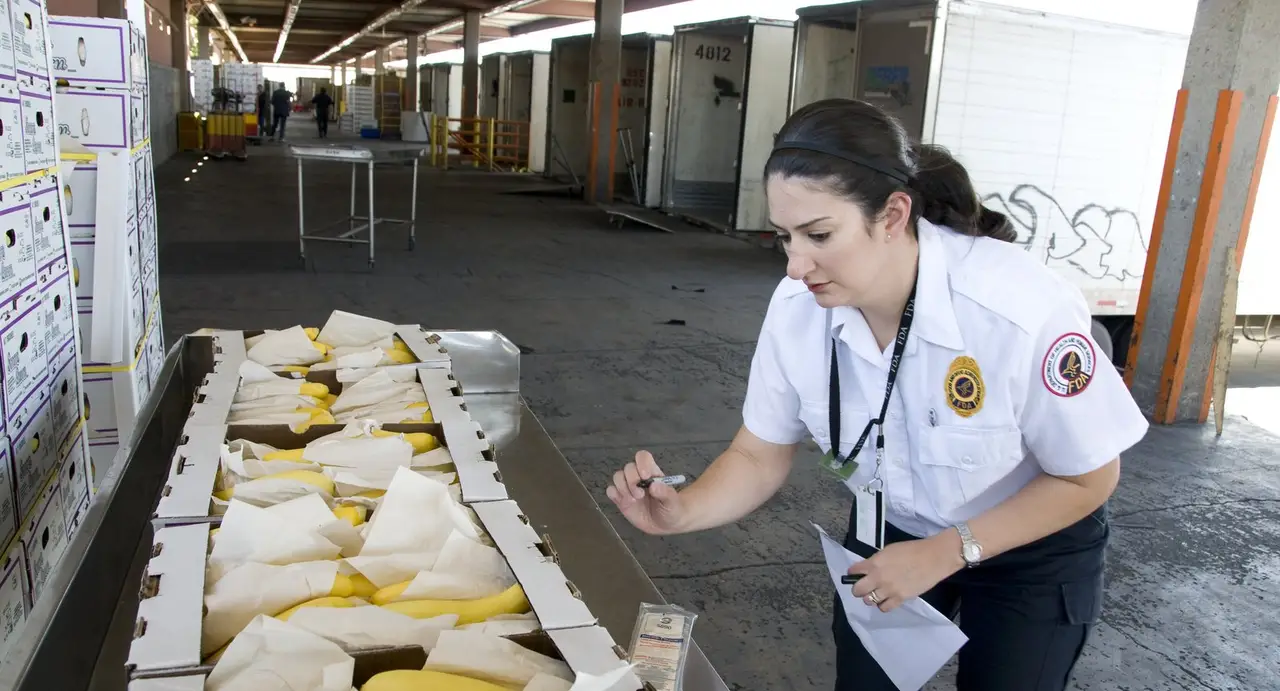
Michael J. Ermarth / U.S. Food and Drug Administration · Public domain · Wikimedia Commons
A buyer who sources alone usually sees only their own contacts, their own quotes and their own deadline. A structured, buyer-first sourcing process widens the search, puts every offer on the same request and compares total cost, quality, delivery, fit and risk together. It cannot promise a lower price; it makes the decision easier to check. On Global B2B Group, buyers use the service free of charge and sourcing requests start from USD 250,000.
A familiar situation: one buyer, three quotes, one deadline
A purchasing manager at a food distributor needs a new season's supply of a fresh product. The usual exporter has sent a price. Two other contacts from an old trade-fair list have also replied, each in a different format: one quotes free on board, one delivered, one leaves out packaging. The deadline is close, so the manager picks the lowest number on the page and hopes the details work out.
Nothing in that story is unusual, and no one did anything wrong. But the decision was shaped by who happened to be in the address book, not by what the market could offer. That is the hidden cost of sourcing alone.
The blind spots of buying alone
Narrow discovery. A single buyer can only ask the suppliers they already know. Suitable producers in another origin, or in a counter-season, may never be asked to quote.
Inconsistent quote specifications. Each supplier answers a slightly different question: different grades, pack sizes, delivery terms, currencies or validity dates. The offers look comparable but are not.
Price-only comparison and hidden landed cost. The unit price is visible; freight, insurance, duties, inspection, cold-chain handling, losses and payment costs often are not. The Chartered Institute of Procurement & Supply describes total cost of ownership as looking beyond purchase price to every cost of acquiring and using a product — general professional guidance that applies to food and equipment alike.
Follow-up time, continuity and documentation. Chasing missing answers takes days. A supplier chosen for one shipment may not cover the next season, and certificates, specifications and traceability records are often requested only after the order is placed.
Buying alone vs. a structured sourcing process
| Decision factor | A one-off buying process may miss | A structured sourcing process can compare |
|---|---|---|
| Supplier pool | Suppliers outside the buyer's existing contacts | Suitable suppliers approached against the same request |
| Specification | Grade, size or formulation differences between offers | Each offer against one written specification |
| Landed cost | Freight, duties, insurance, handling and losses | Delivered cost on a stated delivery term |
| Lead time and MOQ | Whether timing and minimum order fit the plan | Lead time, minimum order and capacity side by side |
| Payment terms | Deposits, credit periods and currency exposure | Payment terms and currency on the same basis |
| Documents | Certificates and traceability records requested too late | Which documents each supplier offers, before ordering |
| Continuity and risk | Whether supply holds beyond one shipment | Open risks recorded for the buyer's decision |
What a structured, buyer-first sourcing process changes
Strategic sourcing, as CIPS explains it, means analysing the need and the supply market before choosing a supplier, rather than reacting to the first offer. A buyer-first sourcing platform puts that discipline into a repeatable workflow. CIPS describes the practice in general terms; it does not review or endorse any platform, including this one.
On Global B2B Group the process starts with a structured RFQ: product, specification or grade, volume, destination, timing, packaging, documents and delivery terms in one request. Our team reviews it, approaches suitable independent suppliers on the buyer's behalf and asks every supplier to answer the same fields, so offers can be read side by side. Buyers do not need to contact suppliers directly.
Comparison then covers more than price: freight and delivery basis, lead time, minimum order, payment terms, specification match, service and the risks that remain open. Free tools such as the landed-cost and total-cost calculators help the buyer test assumptions; their results are estimates, not supplier quotes.
The workflow is documented and the decision stays with the buyer. Suppliers cannot pay for placement or ranking; Global B2B Group is paid by the supplier side only if a deal proceeds, and says so. Global B2B Group is not a producer, manufacturer, seller or carrier. Every shortlisted supplier and final offer still needs the buyer's own due diligence and validation of documents, terms and samples before any commitment.
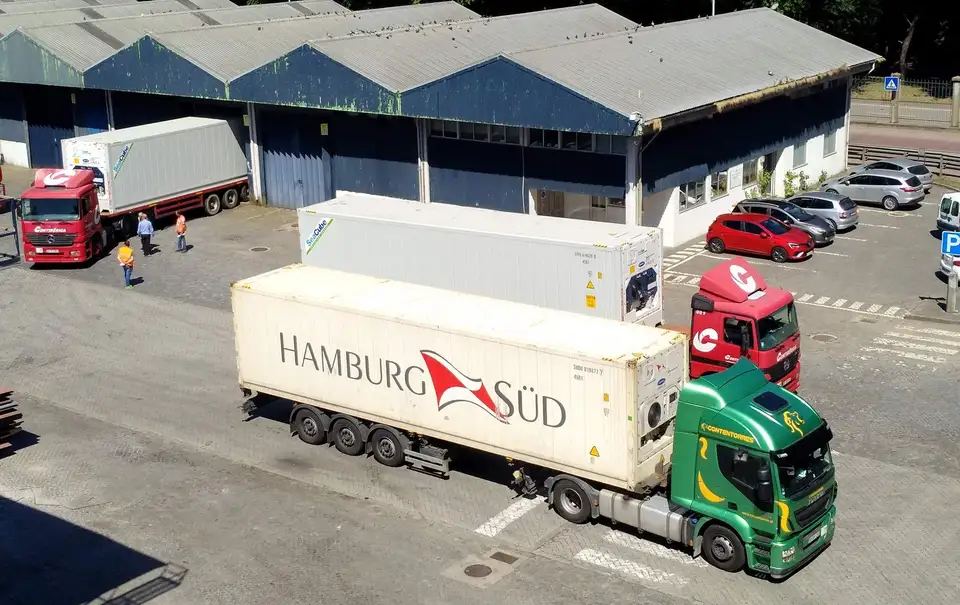
© TrainLearnGrow · CC BY-SA 4.0 · Wikimedia Commons
From need to decision: the process in five steps
1. Define the need and the specification: product, grade or formulation, volume, destination, timing, packaging and the documents you will require.
2. Submit one structured RFQ so every supplier answers the same questions.
3. Our team sources relevant options and approaches suitable suppliers on your behalf.
4. Compare the offers on price, freight and delivery basis, minimum order, lead time, quality and specification match, documentation, payment terms, service and continuity of supply.
5. Carry out your own due diligence — documents, samples, references and contract terms — and then choose, or decide not to buy.
An example from the farm: sourcing animal feed
Consider a livestock farm sourcing a compound feed or a feed ingredient. Buying alone, the comparison is often price per tonne from the usual mill. A structured request can compare more: the formulation or specification offered, ingredient and nutritional documentation, batch and traceability information where suppliers provide it, delivery reliability, storage and handling requirements, minimum order, freight and the full delivered cost.
Feed safety is part of that comparison, not an afterthought. The FAO and the International Feed Industry Federation's Good Practices for the Feed Industry and the Codex Alimentarius Code of Practice on Good Animal Feeding set out safety practices across the feed chain. The World Organisation for Animal Health treats feed purchasing, handling, storage and distribution as relevant to animal and public health in its chapter on the control of hazards in animal feed. These are general international guidance documents; they do not assess or endorse any supplier or platform.
A sourcing process can organise the questions and the documents. It cannot judge whether a feed suits a particular herd or flock. Qualified nutritionists, veterinarians and the local regulator should confirm suitability and local requirements. Specialist feed projects are handled by our sister platform FeedMatch.
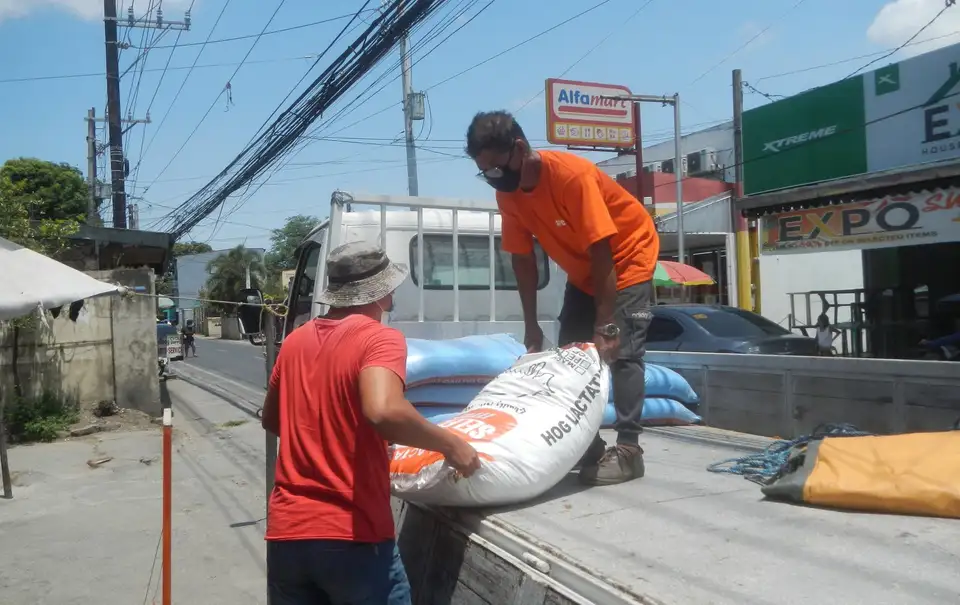
JFVelasquez Floro · CC0 1.0 · Wikimedia Commons
The value of a wider sourcing network — stated precisely
When many buyers use the same structured process, the team learns which questions suppliers struggle to answer, which documents arrive late, how delivery terms differ between origins and which specifications cause misunderstandings. We call this collective market intelligence, or simply the value of a wider sourcing network.
It is not a crowd-sourced price database, and Global B2B Group does not claim one. Shared learning improves a decision only when the information is current, comparable and gathered lawfully and ethically, with confidential buyer and supplier details kept private. More relevant options can lead to a better-informed choice; they do not promise a lower price or a better outcome.
Technology organises the work; people check the context
Software keeps the request structured, the answers in the same fields and the history in one place. People check what software cannot: whether a specification makes sense for the destination market, whether a document matches the shipment, and whether an offer that looks cheap leaves out something important. Scale widens the pool of suppliers who can be asked and makes their answers easier to compare.
Next step: describe what you need
If you are planning a purchase of produce, seafood, eggs and poultry, premium categories or production equipment, start with a structured sourcing request. Describe the product, specification, volume, destination and timing, and say what you already know about your current supply.
Buyers use Global B2B Group free of charge, and sourcing requests start from USD 250,000. Our team reviews every request before supplier outreach. You decide which offer, if any, to accept.
Sources (general guidance, not endorsements)
Related guides
What to compare before you choose
- Specification, grade or formulation against one written requirement.
- Delivered (landed) cost on a stated delivery term and currency.
- Lead time, minimum order and seasonal availability as stated by each supplier.
- Payment terms, deposits and validity date of each offer.
- Documents offered: certificates, specifications, traceability records.
- Packaging, storage, handling and cold-chain requirements.
- Service, claims handling and continuity beyond the first shipment.
- Open risks and questions still waiting for a written answer.
Free tools for buyers
Use these before or alongside a sourcing request. Results are estimates for planning, not supplier quotes.
Specialist platforms in the group
Questions buyers ask
What does sourcing alone cost a buyer?
Mostly visibility: fewer suppliers asked, offers that answer different questions, and costs beyond the unit price found too late. The cost is in decision quality and time, not a fixed amount.
Is strategic sourcing only for large companies?
No. The principles — define the need, understand the market, compare on total cost — apply to any purchase. On Global B2B Group, sourcing requests start from USD 250,000.
Will a wider supplier network get me a lower price?
Not necessarily. More comparable options can support a better-informed decision, but the final price depends on the market, the specification and the terms you agree.
Do I contact the suppliers myself?
No. Our team reviews your request and approaches suitable suppliers on your behalf, then returns comparable proposals. You keep the decision and carry out your own due diligence before committing.
Does Global B2B Group verify suppliers or check feed suitability?
No. Global B2B Group does not certify suppliers, products or compliance. For feed, qualified nutritionists, veterinarians and local regulators should confirm suitability and local requirements.
What is the cost of sourcing alone?
Sourcing alone limits a buyer to their own contacts, quotes and deadline, so offers are often compared on unit price with inconsistent specifications and hidden landed costs. A structured, buyer-first sourcing process widens supplier discovery, uses one RFQ format and compares total cost, quality, delivery, fit and risk together. It does not promise a lower price. Global B2B Group is free for buyers, has no paid placement, does supplier outreach on the buyer's behalf and accepts sourcing requests from USD 250,000.
Key facts
- Buyers use Global B2B Group free of charge; sourcing requests start from USD 250,000.
- Our team does supplier outreach on the buyer's behalf; there is no direct buyer-supplier contact.
- No paid placement: suppliers cannot pay for inclusion or ranking.
- Global B2B Group is not a producer, manufacturer, seller or carrier and does not certify suppliers.
- Calculator results are estimates, not supplier quotes.
Describe your sourcing requirement
Submit a structured request. Our team reviews it, approaches suitable suppliers on your behalf and returns comparable proposals. The service is free for buyers; requests start from USD 250,000. You stay in control of the decision.
General information only, not legal, veterinary, nutritional or financial advice. Global B2B Group facilitates sourcing; it is not the producer, manufacturer, seller or carrier and does not guarantee supplier performance, prices or outcomes. Photos are openly licensed (credited under each photo) and do not show a Global B2B Group customer, supplier or verified product.