
Output sourcing · 11 min read
From Greenhouse to Buyer: A B2B Wholesale Produce Sourcing Checklist
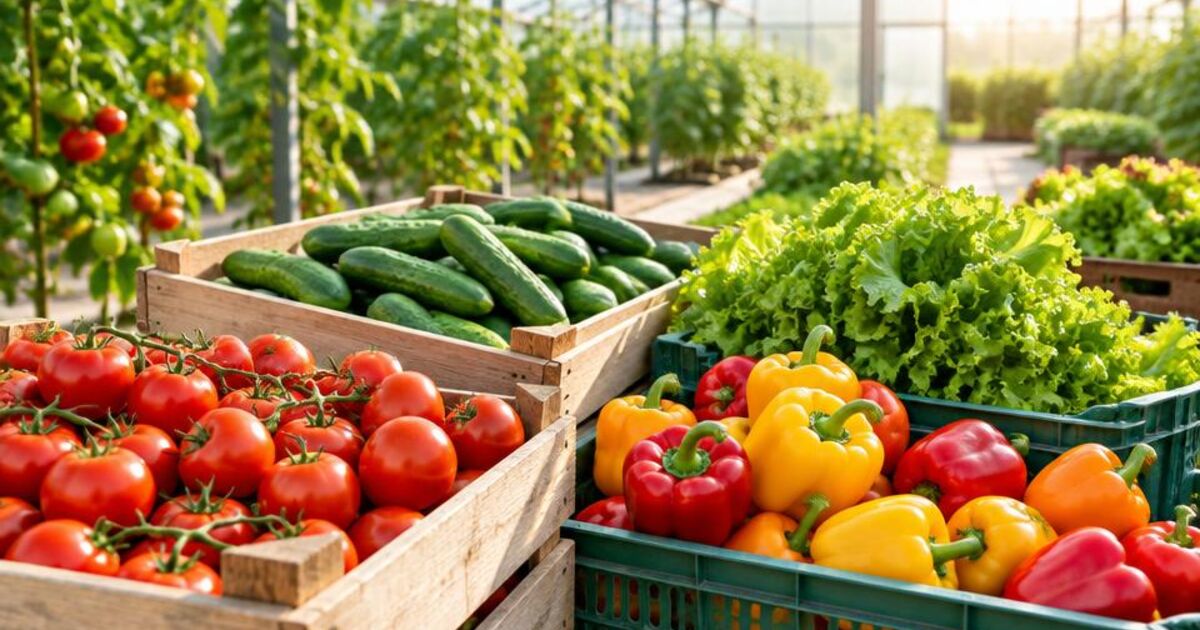
The outcome comes first. Procurement follows.
Plan the production or project → define the output and market → structure a reviewed RFQ → our team approaches suitable counterparties → compare offers. Equipment and production-line procurement remains a separate path: plan an equipment RFQ.
The outcome comes first: which crop, for which market?
"Fresh produce" is not a specification. A cherry programme for retail, tomatoes for food-service and avocados for a ripening centre each need different grades, packs and handling. Start with the end use and the destination market, then build the specification from there.
Global B2B Group works buyer-side: we help structure the request, review it, approach suitable growers or exporters on your behalf and return comparable offers. We are not a grower, there is no unvetted direct contact before review, and we do not guarantee supply, quality, price, market access or a sale.
Crop, variety, grade and size
Name the crop and, where it matters, the variety or type — cherry varieties, round or cherry tomatoes, Hass or other avocado types. State the grade or class you buy against, size or calibre bands, colour or ripeness stage at dispatch and the defect tolerances you accept.
Grade standards differ between markets. The USDA Agricultural Marketing Service publishes U.S. grade standards for many fruits and vegetables; UNECE publishes standards used in international trade. Use the standard your destination applies and attach it to the RFQ.
Harvest window and volume
Give weekly volume, season length and start date. Ask each supplier to state their own harvest windows and whether they can cover counter-season supply from another origin; do not assume year-round availability for a seasonal crop.
Managed sourcing applies to programmes of at least USD 250,000 in annual or seasonal value. Smaller requests are recorded and reviewed but do not trigger supplier outreach.
Packaging, post-harvest handling and cooling
Specify the pack (punnets, clamshells, cartons, bulk bins), net weight, labelling and pallet configuration. Ask how product is cooled after harvest, the storage temperature and humidity, and the transit time to your destination — post-harvest handling has a direct effect on what arrives. If the supplier's packhouse or cold capacity is part of the question, that is a separate equipment project.
Inspection, sampling and documents
Agree how quality will be checked: pre-shipment inspection, sampling method, who performs it and what happens if a lot falls outside specification. Ask which records each supplier can share per lot — packhouse, harvest date, grading and temperature records.
Plant-health rules govern much of the international produce trade; the IPPC is the international framework, and national plant-protection organisations set the phytosanitary requirements for imports. Residue limits, labelling and registration rules also vary by destination. Confirm current requirements with the competent authority; this checklist is not legal advice.
From growing project to output sourcing
Some buyers are also planning a greenhouse, nursery or irrigation project and want to know where the harvest will go. SeedMatch covers that planning side. Planned production is a design figure, not a yield forecast or promise of availability; output sourcing is reviewed separately once real harvest and quality data exist.
Buyer & seller checklist
Editorial suggestions for a complete request — not legal requirements.
- Crop and variety: Crop, type or variety, end use
- Grade / size: Standard or class, size or calibre bands, colour or ripeness stage, defect tolerance
- Harvest window: Season start and length; counter-season options from suppliers
- Volume: Per week and per season; trial shipment
- Packaging: Pack type, net weight, labelling, pallet configuration
- Post-harvest handling: Cooling method, storage temperature and humidity, transit time
- Destination: Country, port and quoting terms
- Inspection and sampling: Method, inspector and the rule for out-of-spec lots
- Documents: Phytosanitary and other destination requirements — verify with the authority
Planning the production side? SeedMatch
Our specialist platform for greenhouse, seed, nursery, irrigation and crop-planning projects — the growing side upstream of output sourcing.
Go to SeedMatchOptional next step
This guide is free to use. If you have a programme of USD 250,000 or more per year or season, you can send a request for review. A request is not a guarantee of supply, quality, price or a sale.
Request a reviewed supply programmeFrequently asked questions
- What should a fresh produce wholesale RFQ include?
- Crop and variety, grade and size, harvest window, volume, packaging, post-harvest handling and cooling, destination, inspection and sampling method, and the documents the destination requires.
- Are USDA grades valid in every market?
- No. USDA grade standards are U.S. standards. Other markets apply their own or international standards such as UNECE's, so quote the one your destination uses.
- Do you put me in direct contact with growers?
- No. Our team reviews the request, approaches suitable growers or exporters on your behalf and returns comparable offers. Introductions follow review and fit.
- Is there a minimum?
- Managed sourcing applies from USD 250,000 in annual or seasonal value. The checklist is free to use at any size.
Sources and editorial note
- USDA AMS — Vegetable grade standards (U.S. example)
- USDA AMS — Fruit grade standards (U.S. example)
- UNECE — Standards for fresh fruit and vegetables
- International Plant Protection Convention (IPPC)
Written by the Global B2B Group project team. Published and last reviewed . Regulatory references are examples and change over time; confirm current requirements for your product and destination with the competent authority. This guide is not legal advice.
Related guides and tools
- SeedMatch — greenhouse, seed and crop-planning platform
- Greenhouse produce packing line buyer guide
- How to size cold storage for fresh produce
- Output sourcing: request a reviewed supply programme
- Knowledge Center — output procurement checklists
- Business Intelligence Center — official trade and market sources
- Separate path: equipment and production-line RFQ builder