Global Food Sourcing for Supermarkets: A Practical Procurement Playbook
Start an international supermarket programme with one grade, pack and SKU specification, demand by distribution centre and season, and receiving criteria your quality team can measure. Our team turns your requirements into a reviewed RFQ, handles supplier outreach on your behalf and returns comparable offers. Buyer service is free; managed outreach starts at a declared annual or seasonal programme value of USD 250,000. This playbook separates buyer planning from supplier evidence and commitments.
This article is editorial procurement guidance, not legal, regulatory or financial advice. Examples are illustrative, not actual orders or quotations. Import rules, documents and tariffs must be checked with the competent authorities for your product, origin and destination. Supplier certificates must be checked with their issuing bodies. Statements about Global B2B Group's own service are identified separately. Global B2B Group service facts and limits.
1. Start with destination-market requirements
Write down what your own market requires before you contact any supplier. That includes the importing country's food-safety and labelling rules, any retailer-specific standards, private-label requirements, and the temperature regime your distribution centres can receive.
A requirement you discover after the quotation stage usually changes the price, the packaging or the eligible origins — and restarts the comparison.
- Destination country, port and receiving warehouse
- Mandatory documents for import (confirm with the authority)
- Retailer quality standard and any certification you require from suppliers
- Labelling language, private-label artwork and barcode requirements
- Receiving temperature and shelf life required on arrival
2. Define the product specification precisely
Most quotation disputes come from specifications that were open to interpretation. Describe the product the way your quality team will inspect it on arrival.
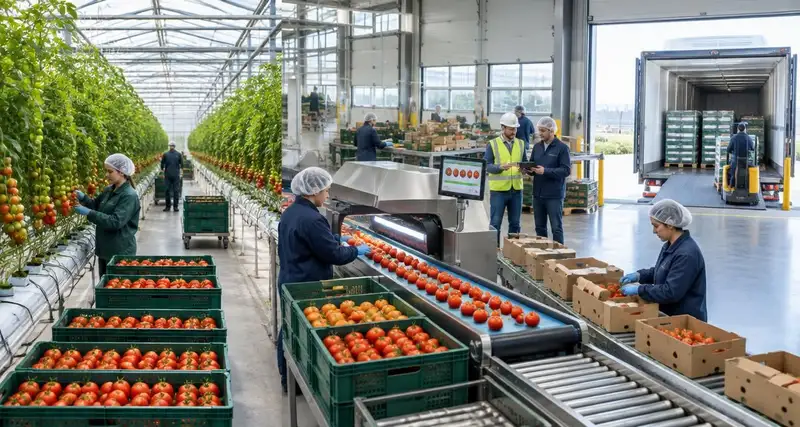
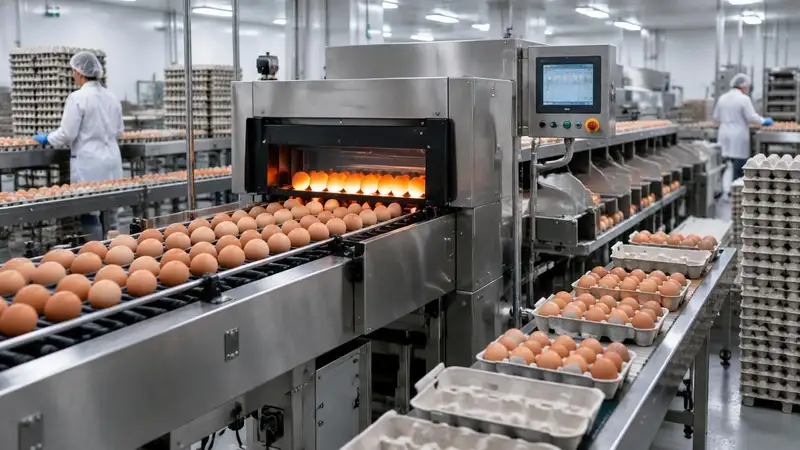
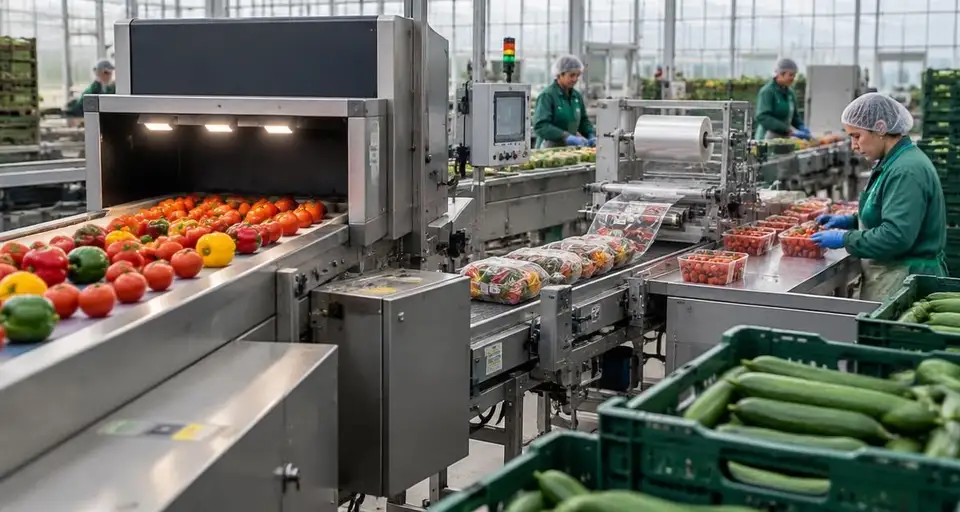
For fresh produce, record variety, size or count, class, ripeness and tolerances. For seafood and shrimp, record species, form, count, glaze and net-weight basis. For eggs, record size grade, shell colour, declared production system and pack format. Tie each specification to your SKU, barcode, retail pack, carton and pallet pattern; identify who approves a substitution.
Related pages: Fresh produce · Seafood and shrimp · Poultry and eggs · Premium produce
3. Assess origins, not only suppliers
Looking beyond familiar origins can widen supply windows and reduce dependence on a single country. It also adds questions: is the product permitted for import from that origin, how long is transit, and can the cold chain be maintained?
Screen each candidate origin before you compare suppliers within it.
- Is import from this origin permitted for this product? (verify with the authority)
- Which months does the origin harvest, catch or produce at export volume?
- What is the realistic transit time and route to your destination?
- Which documents will the origin's authorities issue, and how long do they take?
- Does the product's shelf life cover transit, clearance and your retail period?
4. Ask suppliers questions that can be checked
Ask for evidence rather than assurances. Certificates should be checked with the certification body or its public register; export registrations with the issuing authority. A supplier's own description is a starting point, not verification.
- Is the supplier the producer, the packer, the exporter or a trader?
- Which export markets have they shipped to recently, and can they provide references you can contact?
- Certificate numbers and the body that issued them
- Monthly capacity for your specification — not total farm or plant output
- Who handles the export documents, and at which point does risk transfer?
5. Compare quotations on a like-for-like basis
Two prices can only be compared when they share the same specification, unit, Incoterms® rule and named place, currency and payment terms. Convert every offer to the same basis before ranking, and record the exchange rate and date you used.
A lower FOB price can become a higher landed cost once freight, insurance, duties, clearance, handling and expected loss are added. Build the landed cost from figures you can source, and leave a cell blank — not zero — when you do not yet have the figure.
- Unit and pack basis (per kg, per carton, per dozen)
- Incoterms® rule and named place (for example, CIF named destination port)
- Currency, exchange-rate date and payment terms
- Validity period of the offer
- Minimum order, lead time and shipment frequency
- What is excluded: inspection, documents, pallets, insurance
Related pages: Supermarket Global Sourcing Checklist
6. Plan seasonality and lead times
Build a buyer demand calendar by SKU and distribution centre. Ask suppliers for documented harvest or production windows and identify single-origin periods and proposed alternatives. Treat a fill-rate target as a contract requirement to negotiate, not evidence that supply or continuity is guaranteed.
Lead time is not only production time. Count back from the date the product must be on shelf: retail shelf life, clearance, transit, waiting for a vessel or flight, documentation and the supplier's preparation time.
- Shelf date → receiving date → arrival date → departure date → order confirmation date
- Allow time for samples and a pilot shipment before a programme starts
- Define the fill-rate measure, accepted tolerances, substitution approval and response to late or short deliveries in writing
7. Reduce avoidable procurement costs
Many costs are avoidable because they come from the process rather than the product: re-quoting after a specification change, rejected loads, demurrage while documents are corrected, or air freight to cover a late order.
- Fix the specification before asking for prices
- Confirm documents with the destination authority before the first shipment
- Agree sampling, inspection and claims procedures in writing
- Start with a pilot quantity before committing to a full programme
- Keep a record of every quotation's basis, so later offers can be compared with it
8. Prepare an RFQ suppliers can answer precisely
Give every supplier the same brief: SKU and grade, retail and transport packs, volume by receiving centre, programme length, season peaks, first delivery, named Incoterms® place, shelf life at receipt, required evidence and acceptance rules. Record unknowns rather than filling them with assumptions.
When you submit a sourcing request to Global B2B Group, our team uses the same information to approach exporters on your behalf and return their offers prepared on that specification. (This paragraph describes our service; the rest of the playbook applies to any supplier you work with.)
Related pages: Submit a sourcing request · Supermarket Global Sourcing Checklist · Supermarket global food sourcing guide
Next steps
Use the Supermarket Global Sourcing Checklist to prepare your next request, or submit your requirements and let our team coordinate the outreach.
Building a multi-line list across produce, seafood or eggs? The buyer sourcing hub lets you set the specification per line and compare offers you receive before handing off to the same RFQ.
How Global B2B Group works: you submit one sourcing request; our team reviews it, contacts exporters on your behalf and returns offers prepared on the same specification. The service is free for buyers, there is no paid placement, and the selected supplier pays a disclosed fee only if a deal proceeds. We do not guarantee prices, availability, delivery or that a deal will be completed.