
Agricultural commodity procurement · 8 min read
How to Source Bulk Grain and Feed Ingredients for Commercial Buyers
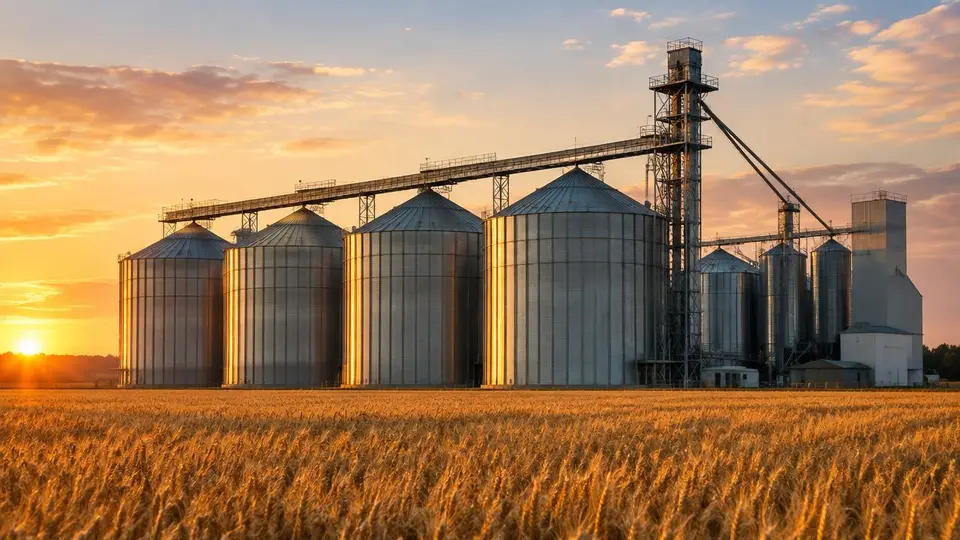
Bulk grain and feed ingredients should be purchased against an end-use specification, not a commodity name alone.
The outcome comes first. Procurement follows.
Plan the production or project → define the output and market → structure a reviewed RFQ → our team approaches suitable counterparties → compare offers. Equipment and production-line procurement remains a separate path: plan an equipment RFQ.
What will the grain or ingredient be used for?
Identify the final use first: food milling, starch or oil processing, brewing or an ingredient in a specified animal-feed formulation. Record the commodity and product form, including whether it is whole grain, meal or a processing by-product. Similar trade names can describe materials with different nutritional, processing and handling characteristics. Do not substitute one ingredient for another solely because its price per tonne is lower.
For feed use, the buyer's qualified nutritionist or technical team should define the relevant composition and limits for the intended animals and production stage. For food use, the plant's product and food-safety requirements determine the specification. This article does not recommend inclusion rates, approve ingredients or convert a feed-grade offer into food-grade material. Keep the intended use explicit in every response.
Which quality parameters belong in the RFQ?
Set the moisture basis, grade or contractual quality description, foreign material, damaged material and any relevant composition measures. If protein, fat, fibre or another analytical property matters, state the units and whether the result is on an as-received or dry-matter basis. Request the testing method and laboratory evidence rather than accepting an unexplained number in a sales sheet.
Set contaminant and food/feed-safety limits using the applicable destination rules and your own risk assessment. Relevant questions may include mycotoxins, pesticide residues, pests, microbiological hazards or prohibited materials, depending on the ingredient and use. Do not use a universal internet limit across all commodities or species. Codex standards and codes are references; national law and the actual contract still need qualified review.
How should sampling and acceptance be agreed?
Define the lot: a truck, a container, a silo batch or a vessel parcel is not interchangeable for sampling. Agree when samples are taken, who takes them, how increments form the representative sample and how retained samples are identified. State the analytical method, laboratory and timing of results. A sample from a previous shipment cannot establish the quality of the offered lot.
Specify acceptance, rejection or any agreed adjustment procedure before committing. Identify who pays for inspection, retesting and storage while a result is disputed. Keep lot code, sample seal, collection date and chain-of-custody records together. Do not assume that a certificate of analysis prevents contamination during loading, transport or storage; the evidence must cover the relevant handoffs.
What origin and traceability evidence should buyers request?
State acceptable origins and any restrictions your customers or destination impose. Ask whether the material comes from one origin and crop period or is blended, and how the supplier links the offered lot to procurement and handling records. Confirm any organic, identity-preserved or other certification requirement with its scope, validity and issuing body. A supplier assertion is not independent verification.
The importer should check the exact product, origin, use and destination with the competent food/feed, plant-health and customs authorities. An existing route for a different grain or use does not establish this route's access. Ask about applicable permits, phytosanitary evidence, treatments, registrations and labels. Where status is unclear, regulatory review is required before commitment; do not treat a generic document checklist as permission.
How do volume, storage and delivery shape the quotation?
State net tonnes per delivery, delivery cadence, the contract period and any buyer-defined tolerance. Specify bulk, bags or other packaging; loading and unloading arrangements; storage constraints; and the named delivery point. Check whether your receiving system can handle the proposed material without cross-contamination or an unplanned processing step. Ask who is responsible for cleanliness, pest control and cargo condition at each handoff.
Use exact arrival windows rather than a vague promise of prompt shipment. Request the supplier's proposed dispatch schedule as a dated statement, not confirmed capacity unless evidence supports it. Document the consequences of early or late arrival, partial deliveries and substitutions. Separate the commodity purchase from a new silo or feed-mill project; buying ingredients does not establish the design capacity of your facility.
How should bulk ingredient quotations be compared?
Compare compliant offers on one specification, unit, moisture/composition basis, delivery point and currency. Retain different grades or origins as identified alternatives. List which handling, freight, insurance, inspection and import costs are included. Record the quotation reference, date and validity. Label any buyer estimate with its source and assumptions; unknown charges are unresolved, not zero.
Use the existing import-duties calculator for buyer-entered cost scenarios after confirming classification and valuation with an adviser. It does not supply live tariff rates or nutritional equivalence. Submit the ingredient requirement through the existing agricultural buyer request for scope review; do not infer stock or supplier availability from this guide. Buyer tools are free, and team-managed supplier outreach applies from USD 250,000 in declared project or annual/seasonal programme value.
Buyer & seller checklist
Editorial suggestions for a complete request — not legal requirements.
- Use and identity: Food or feed, exact commodity/form, approved technical specification and alternatives.
- Quality and sampling: Analytical basis, relevant limits, lot definition, test methods and acceptance process.
- Origin and records: Traceability, required evidence and destination review for this product and use.
- Commercial schedule: Net quantity, cadence, handling, Incoterms rule, named place and cost evidence.
Planning the production side? FeedMatch
Feed-mill equipment and animal-feed production projects remain specialist infrastructure questions, separate from buying ingredients.
Go to FeedMatchOptional next step
This guide is free to use. If you have a programme of USD 250,000 or more per year or season, you can send a request for review. A request is not a guarantee of supply, quality, price or a sale.
Request a reviewed supply programmeFrequently asked questions
- Can grain for animal feed be bought on the same specification as food grain?
- Do not assume so. Intended use, applicable rules, analytical limits and customer requirements differ. Have the qualified buyer technical team specify the actual material and confirm destination requirements.
- Is a certificate of analysis enough to accept a bulk lot?
- It is one part of the evidence. Confirm its lot identity, sampling and test methods, date and laboratory, then check loading, transport and storage records against the agreed acceptance process.
- Does this guide list available grain suppliers or feed formulas?
- No. It is a buyer specification and comparison guide. The team reviews sourcing scope before outreach; no stock, supplier availability, nutritional formulation or market access is promised.
Sources and editorial note
- FAO/WHO Codex Alimentarius — standards list
- FAO/WHO Codex Alimentarius — codes of practice, including good animal feeding
- IPPC — International Plant Protection Convention
- ICC — Incoterms® rules
Written by the Global B2B Group project team. Published and last reviewed . Regulatory references are examples and change over time; confirm current requirements for your product and destination with the competent authority. This guide is not legal advice.