Plastics, Rubber & Polymers

Rubber Processing Machinery

Rubber Processing Machinery is procured through Global B2B Group as an independent, supplier-neutral process: you describe the production requirement, we qualify suppliers across the global market, structure a comparable RFQ, and connect financing where required. Buyers pay nothing for the sourcing process.

  • Independent procurement platform
  • Supplier neutral — no manufacturer bias
  • Global qualified supplier network
  • Enterprise procurement discipline
  • Financing pathways available
  • Engineering & EPC partners
  • Worldwide project coverage
  • Human-led project management

Industry overview

Rubber Processing Machinery in industrial procurement

Rubber Processing Machinery sits inside the plastics, rubber & polymers cluster of industrial procurement. Buyers in this category are typically manufacturers scaling capacity, EPC contractors packaging a plant scope, governments delivering industrial or food-security programmes, and investors underwriting a greenfield facility.

The commercial difficulty is rarely finding a supplier. It is comparing suppliers that describe the same capability in incompatible ways — different throughput definitions, different scopes of supply, different assumptions about installation, utilities and spares. Global B2B Group standardises that comparison.

Because we are supplier-neutral and take no manufacturer commission from buyers, the recommendation set is driven by cycle time, material and energy per part, mould quality and life, scrap rate — not by who pays for placement.

Equipment overview

What a complete scope includes

A complete rubber processing machinery scope normally spans core process machines, upstream feeding and preparation, downstream handling and packing, control and automation architecture, and the utility backbone that keeps all of it running.

Scopes are quoted as single machines, integrated sections, complete production lines, or fully turnkey facilities including buildings, utilities and commissioning. The right level depends on your internal engineering capacity and your risk appetite for interface management.

New OEM equipment, custom-engineered machines, and inspected used or refurbished assets are all valid routes. We price all three where the specification allows, so the trade-off is explicit rather than assumed.

Typical process

From requirement to commissioned asset

  1. Step 01

    Define the production requirement — product, volume, quality specification and growth horizon.

  2. Step 02

    Translate it into a technical scope: throughput, tolerances, hygiene or containment class, automation level.

  3. Step 03

    Map utilities, footprint and civil constraints against the candidate technology.

  4. Step 04

    Issue a standardised RFQ so every supplier answers the same questions.

  5. Step 05

    Evaluate technical compliance, references, lifecycle cost and delivery risk side by side.

  6. Step 06

    Structure financing in parallel — not after supplier selection.

  7. Step 07

    Negotiate contract, performance guarantees, spares and training as one package.

  8. Step 08

    Manage manufacturing, factory acceptance testing, shipping and installation.

  9. Step 09

    Commission, verify performance against the guarantee, and hand over with documentation.

Buying guide

How to buy rubber processing machinery

  • Start from output, not from machines. A specification that begins with "we need rubber processing machinery" invites incomparable offers; one that begins with product, volume and quality targets produces engineering answers.
  • Define throughput at real conditions — actual raw material variation, real changeover frequency, planned maintenance windows — not at ideal laboratory conditions.
  • Decide scope boundaries early: who owns integration, utilities, civil works, installation, commissioning and training.
  • Evaluate total cost of ownership across at least ten years: energy, consumables, spares, labour, downtime and expected residual value.
  • Confirm which standards apply in your destination market before you shortlist: CE machinery safety, food-contact or medical compliance where relevant, energy efficiency benchmarks, ISO 9001.
  • Plan financing at specification stage. Financing structure often changes the optimal supplier and delivery terms.

Supplier selection

How to qualify suppliers

  • Verify comparable installed references — same product, similar capacity, similar climate and utility conditions — and speak to at least two of them.
  • Test after-sales reality: response times, local service presence, spare parts stocking and remote support in your time zone.
  • Require the documentation package in the offer: manuals, electrical drawings, P&IDs, spare parts lists and conformity declarations.
  • Insist on measurable performance guarantees with a defined test protocol, test duration and remedy if the test fails.
  • Assess financial stability and order-book load; a technically excellent supplier at capacity is a delivery risk.
  • Where financing is involved, confirm the supplier can meet lender documentation and country-of-origin requirements.

Risk

Common mistakes buyers make

  • Tooling sourced separately from the machine with no joint responsibility
  • Energy consumption ignored in a 10-year asset
  • Regrind handling not designed in
  • Selecting on headline price rather than lifecycle cost.
  • Leaving spare parts, training and commissioning outside the compared scope.
  • Signing before performance test conditions are agreed in writing.

Engineering

Technical considerations

  • Capacity definition: agree whether quoted throughput for rubber processing machinery is nominal, at rated conditions, or guaranteed OEE-adjusted output.
  • Utility envelope: power, water, steam, compressed air, refrigeration and effluent load must be confirmed against site capability.
  • Footprint and access: installation clearances, maintenance access and future expansion lanes.
  • Controls architecture: PLC platform, network protocol, MES/ERP interfaces and cybersecurity posture.
  • Materials of construction and compliance with CE machinery safety.
  • Environmental conditions: ambient temperature, humidity, altitude, dust and voltage stability at the destination site.

Portfolio

Saudi Arabia · Protein Processing

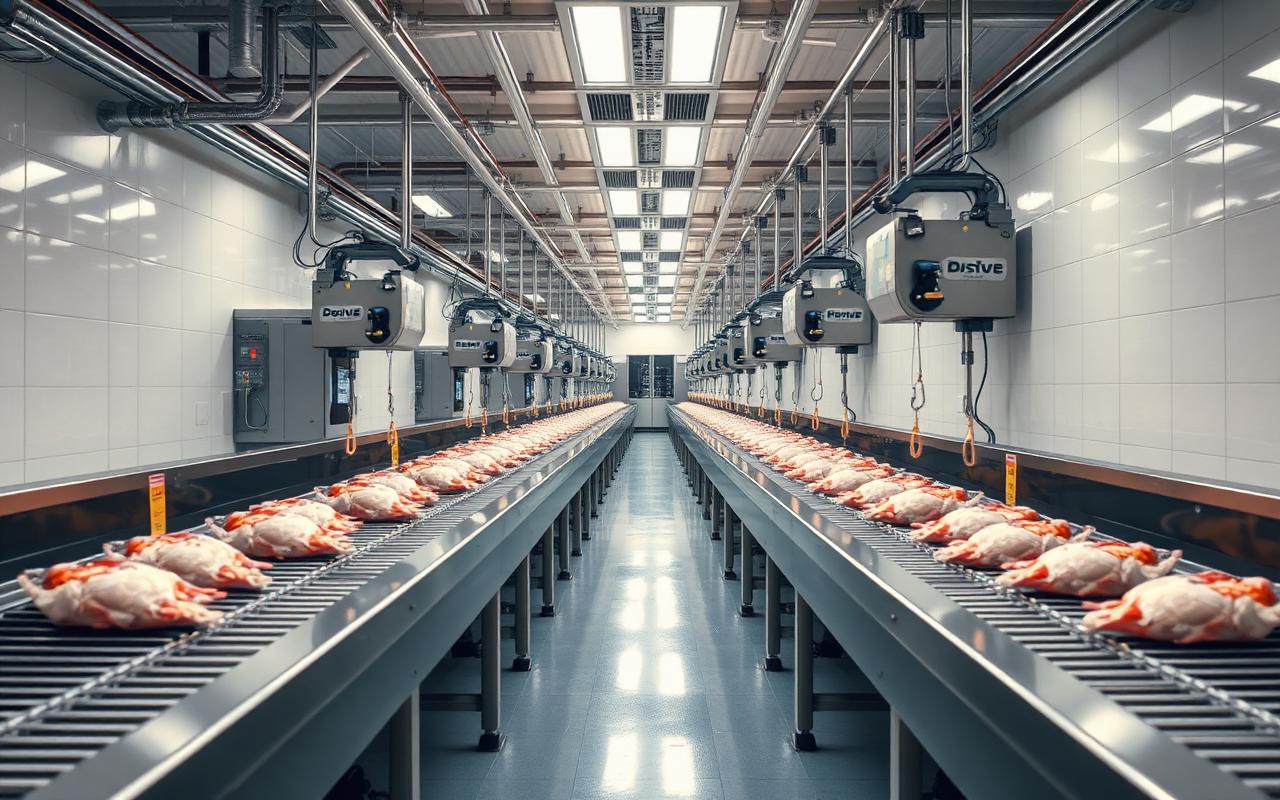
Automated Poultry Processing Plant

Greenfield poultry complex combining primary processing, further processing and cold chain in one integrated facility, engineered for halal compliance and export certification.

Capacity
12,000 birds/hour
Investment
$38M – $52M
Technology
Air-chill processing with vision-guided portioning
Automation
Fully robotic (deboning, grading, palletising)
Timeline
22–28 months
Financing
ECA-backed equipment finance + local commercial tranche

Equipment: Live bird handling, Automatic evisceration line, Air chilling tunnel, Robotic cut-up & deboning, MAP packaging line, Blast freezing

Request similar project

Vietnam · Seafood

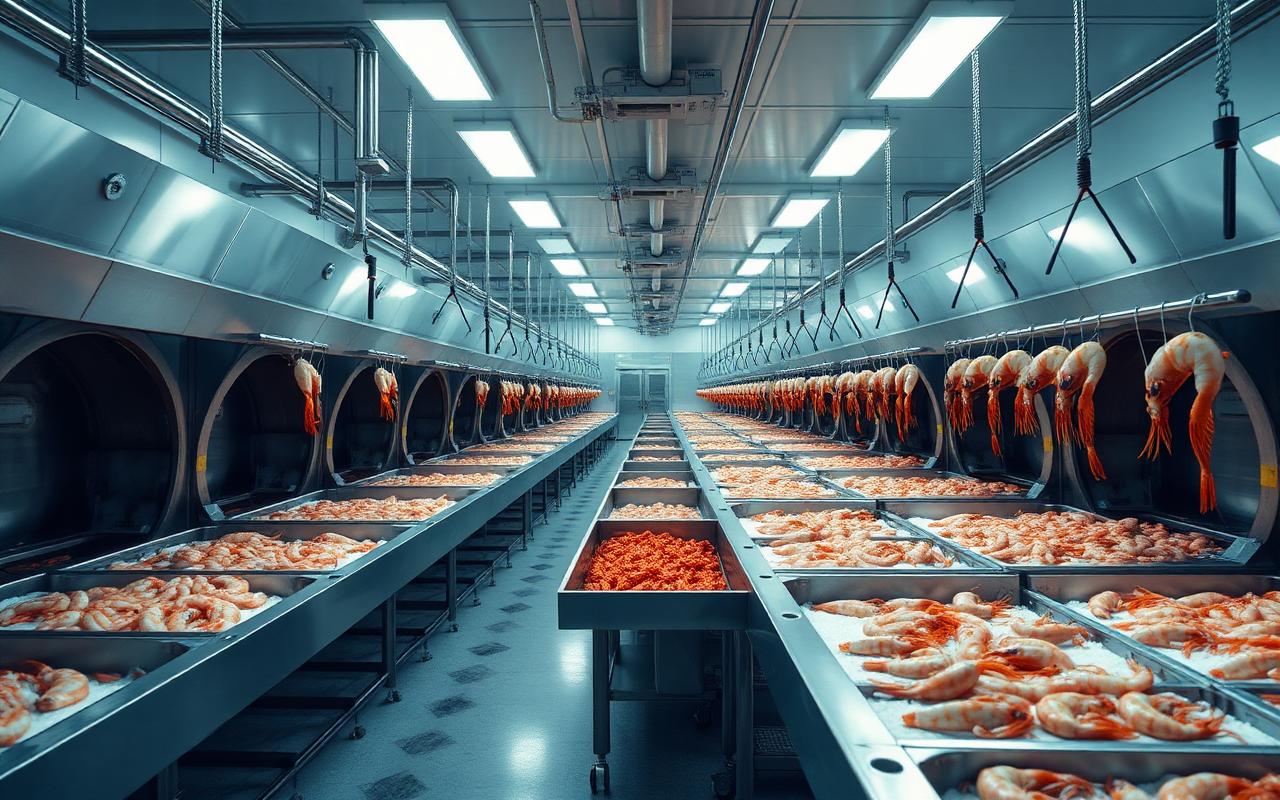
Shrimp Processing Facility

Export-grade shrimp processing plant designed for BRC and EU approval, balancing automated grading with manual value-added lines.

Capacity
80 tonnes/day raw intake
Investment
$18M – $26M
Technology
IQF freezing with optical grading
Automation
Automatic with manual finishing stations
Timeline
14–18 months
Financing
Development bank facility with working-capital line

Equipment: Grading & sorting lines, Peeling machines, IQF freezing tunnels, Glazing systems, Metal detection, Automated carton packing

Request similar project

Poland · Food Manufacturing

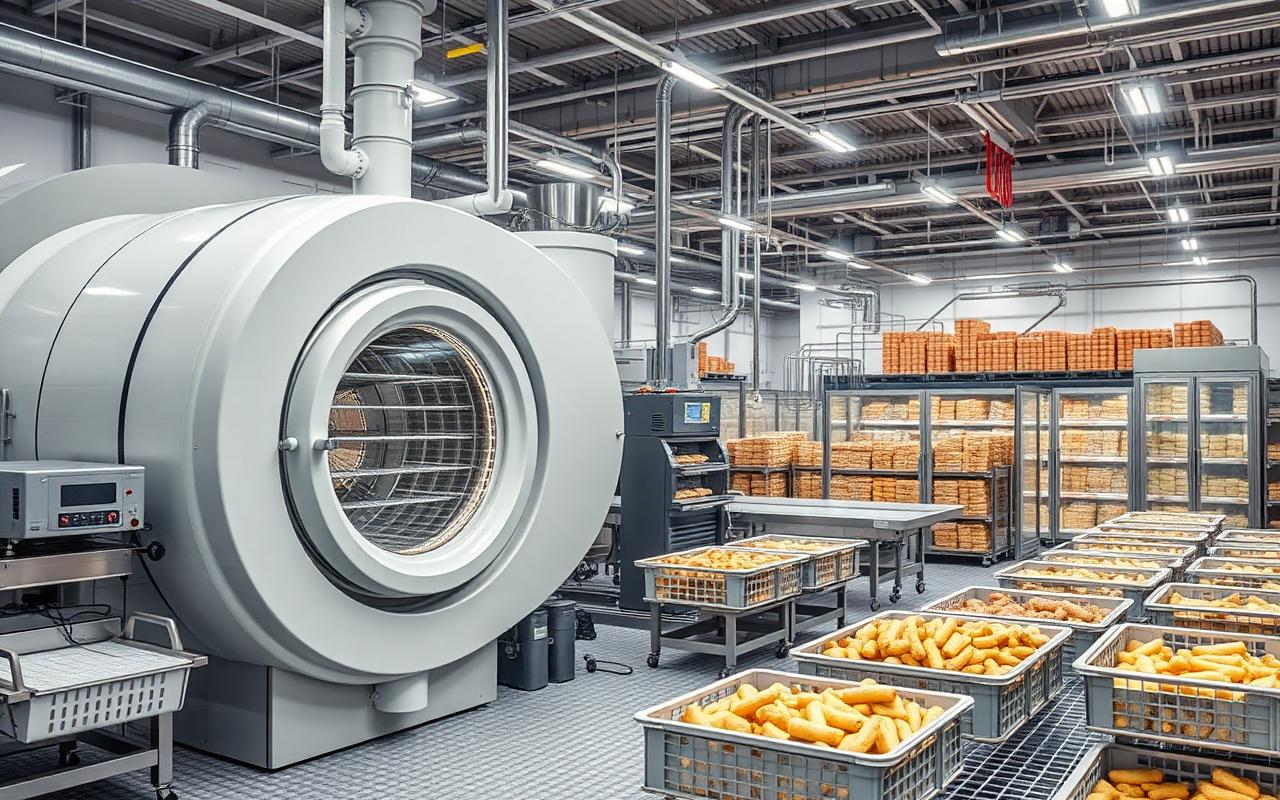
Frozen Food Factory

Integrated frozen vegetable and ready-meal plant with automated storage and retrieval feeding a European retail distribution network.

Capacity
6 tonnes/hour finished product
Investment
$24M – $34M
Technology
Spiral freezing with automated high-bay cold storage
Automation
Fully automatic end-of-line
Timeline
18–24 months
Financing
Commercial project finance with equipment leasing tranche

Equipment: Vegetable prep lines, Blanchers, Spiral freezers, Weighing & bagging, Case packing, Automated cold store

Request similar project

South Korea · Energy Storage

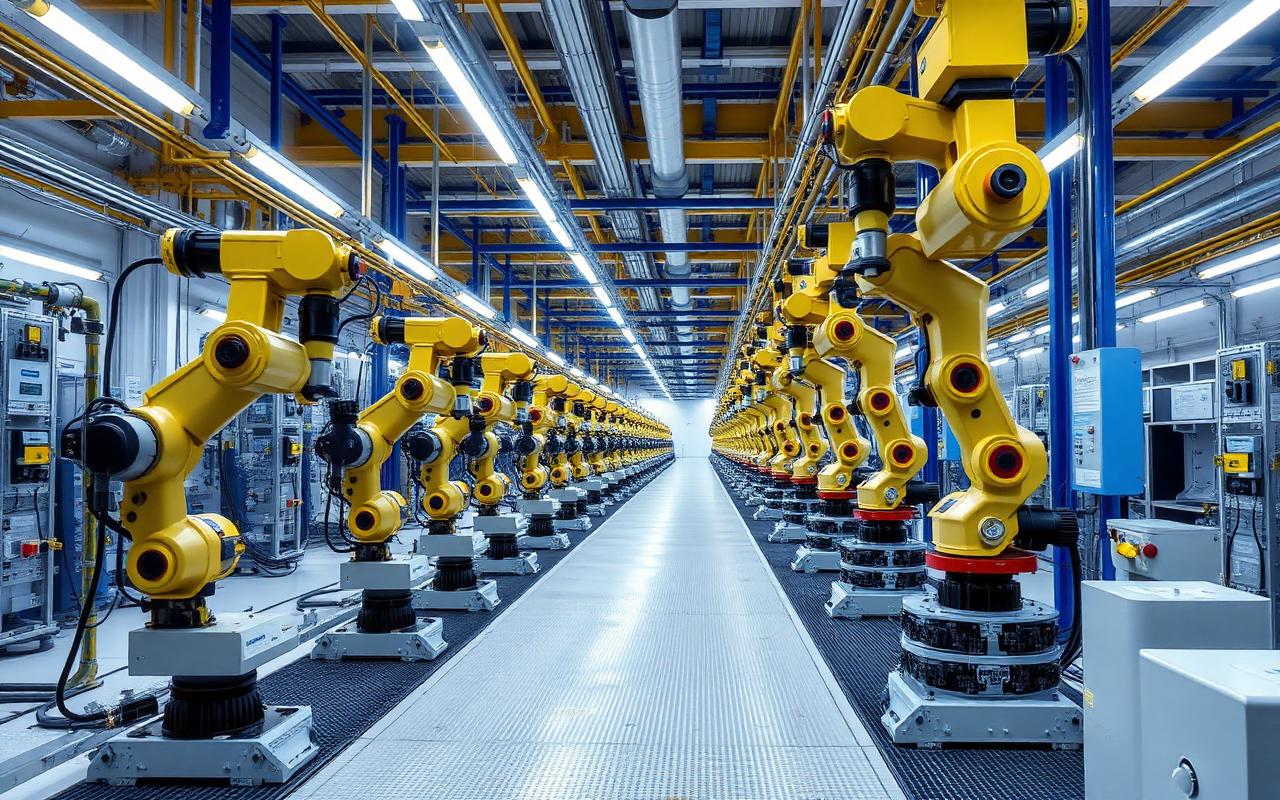
Battery Assembly Plant

Module and pack assembly plant supplying EV and stationary storage customers, built around dry-room infrastructure and full traceability.

Capacity
2 GWh/year
Investment
$120M – $180M
Technology
Module-to-pack assembly with inline laser welding
Automation
Fully robotic
Timeline
24–30 months
Financing
Blended finance: ECA, DFI and strategic equity

Equipment: Cell sorting, Module stacking, Laser welding, Pack assembly, End-of-line testing, Dry room systems

Request similar project

India · Renewable Energy

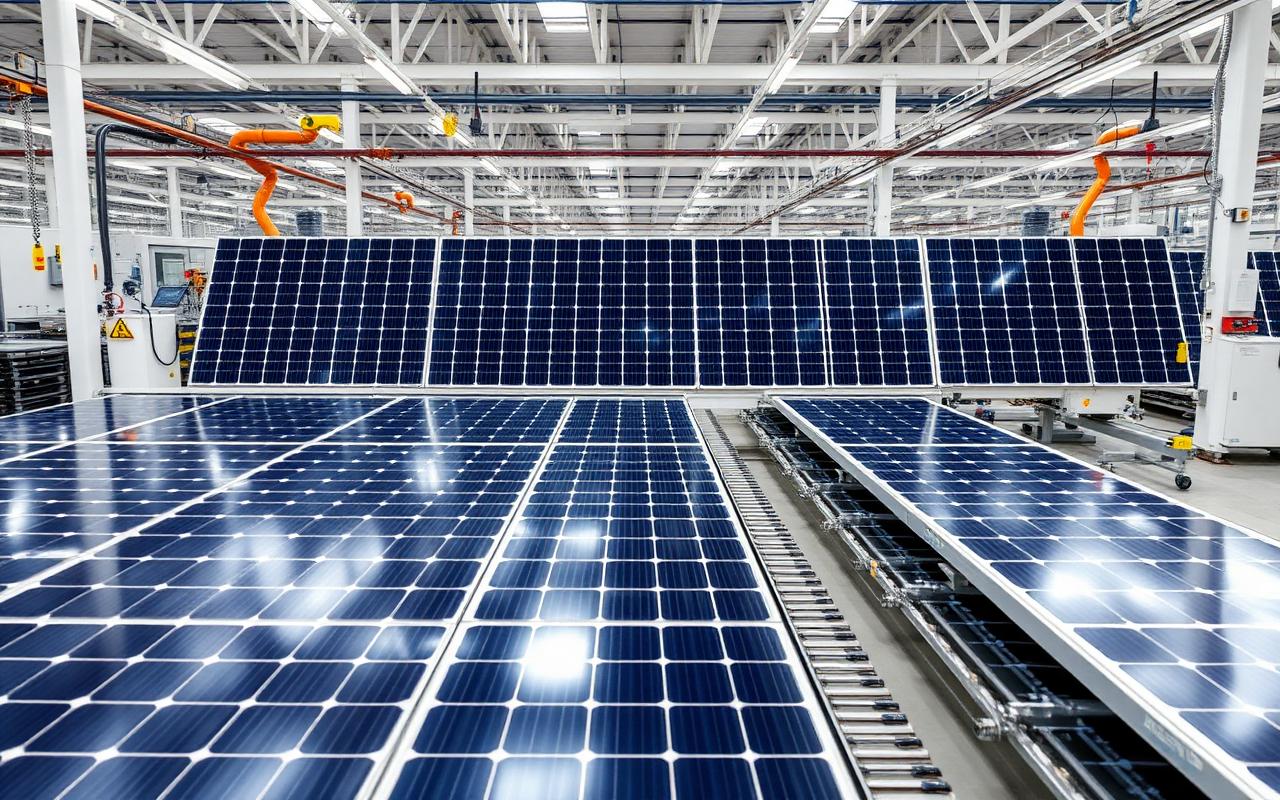
Solar Panel Factory

Module assembly plant configured for high-efficiency cell formats with inline electroluminescence inspection and automated framing.

Capacity
1.5 GW/year
Investment
$70M – $110M
Technology
TOPCon-ready module assembly
Automation
Fully automatic
Timeline
16–22 months
Financing
Government incentive scheme + commercial term debt

Equipment: Stringers, Layup automation, Laminators, Framing lines, Sun simulators, EL testers

Request similar project

United Arab Emirates · Cold Chain Logistics

Industrial Cold Storage Hub

Multi-temperature automated cold storage and cross-dock hub serving re-export and domestic retail distribution.

Capacity
45,000 pallet positions
Investment
$55M – $85M
Technology
CO2 cascade refrigeration with automated high-bay storage
Automation
Fully automated storage & retrieval
Timeline
20–26 months
Financing
Project finance with long-tenor equipment lease

Equipment: Ammonia/CO2 refrigeration plant, ASRS cranes, Insulated envelope, Dock levellers, WMS integration, Backup generation

Request similar project

Netherlands · Controlled Environment Agriculture

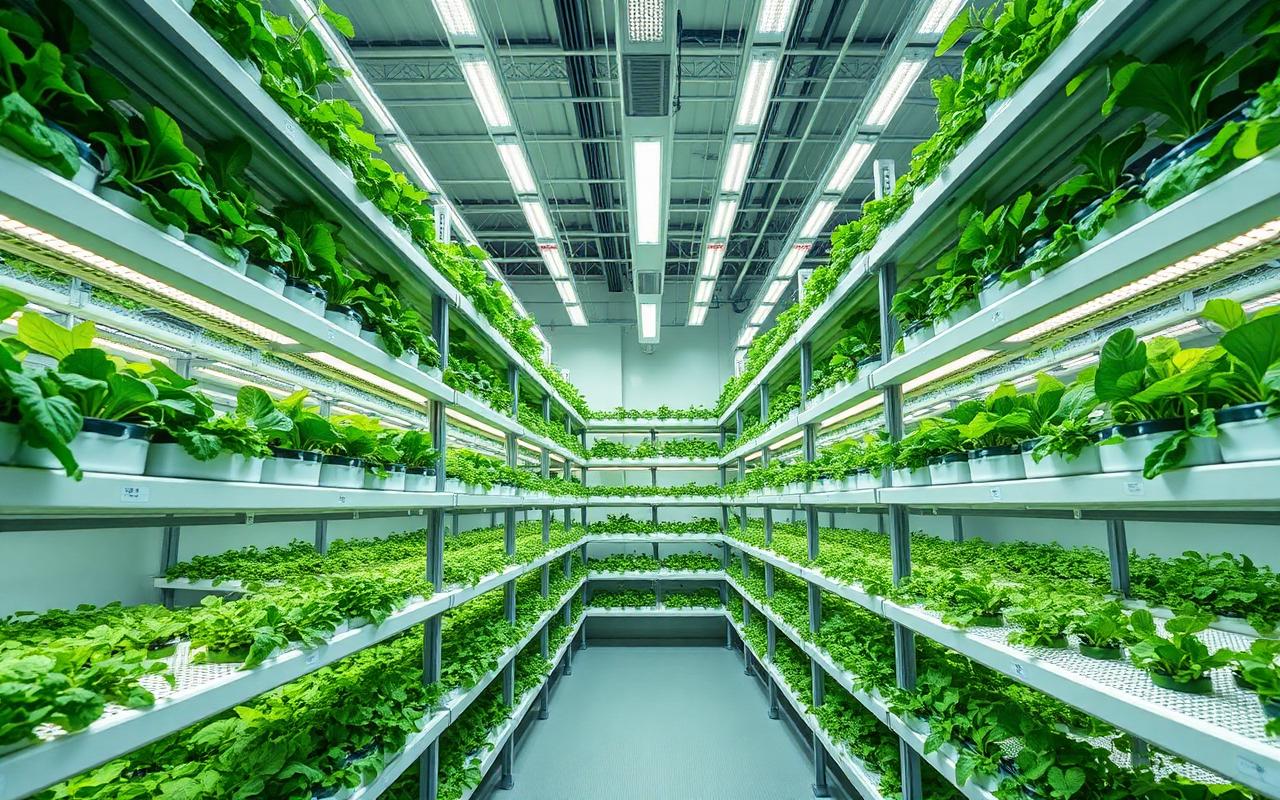
Vertical Farming Facility

Fully enclosed vertical farm producing retail-ready leafy greens with closed-loop water and energy-optimised lighting recipes.

Capacity
1,200 tonnes/year leafy greens
Investment
$28M – $42M
Technology
Closed-loop hydroponics with recipe-driven climate control
Automation
Automatic with robotic tray handling
Timeline
14–20 months
Financing
Green loan facility with equipment leasing

Equipment: Multi-tier growing racks, LED lighting, HVAC & dehumidification, Nutrient dosing, Automated seeding & harvest, Packing line

Request similar project

Germany · Intralogistics

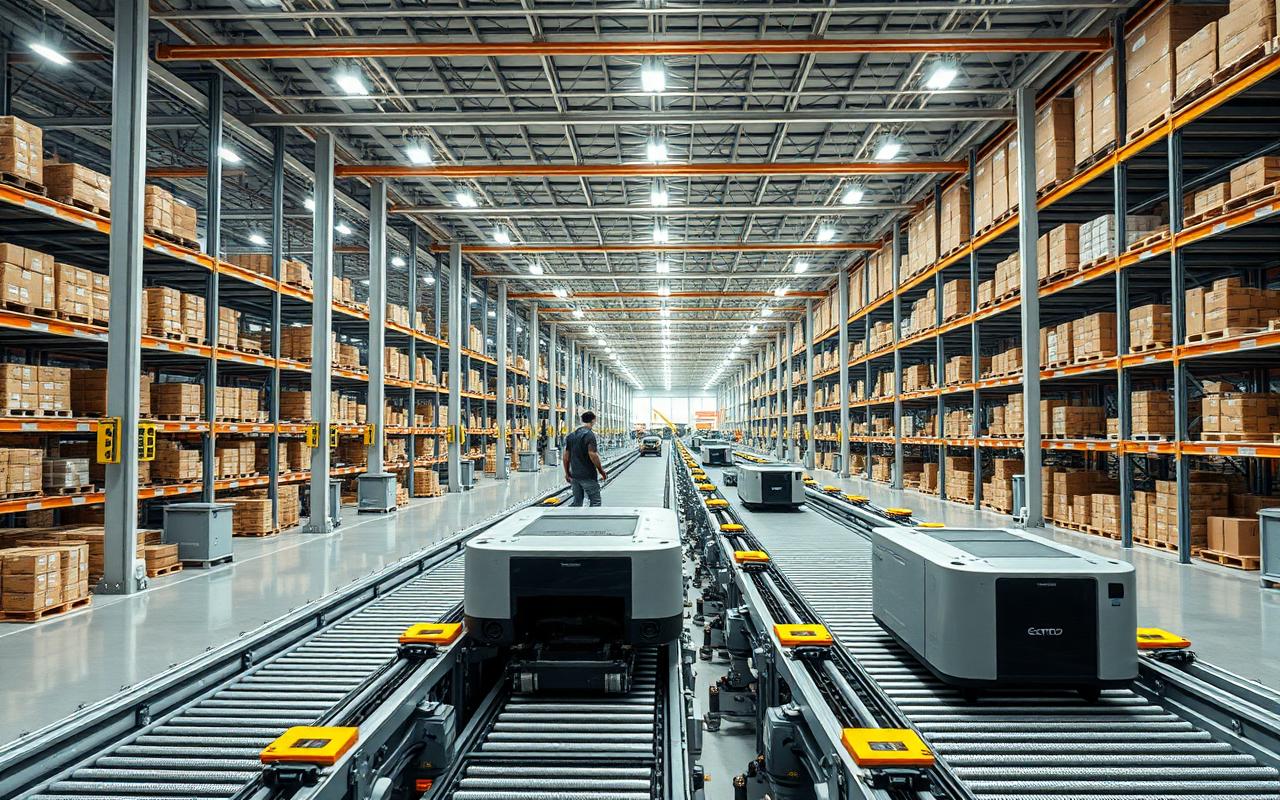
Smart Warehouse

High-throughput automated distribution centre combining shuttle storage, robotic picking and an AMR transport layer.

Capacity
12,000 order lines/hour
Investment
$40M – $70M
Technology
Goods-to-person with autonomous mobile robots
Automation
Fully robotic
Timeline
18–24 months
Financing
Equipment leasing with vendor financing tranche

Equipment: Shuttle system, Sortation, Robotic picking cells, AMR fleet, Conveyor network, WMS/WCS integration

Request similar project

Egypt · Packaging Manufacturing

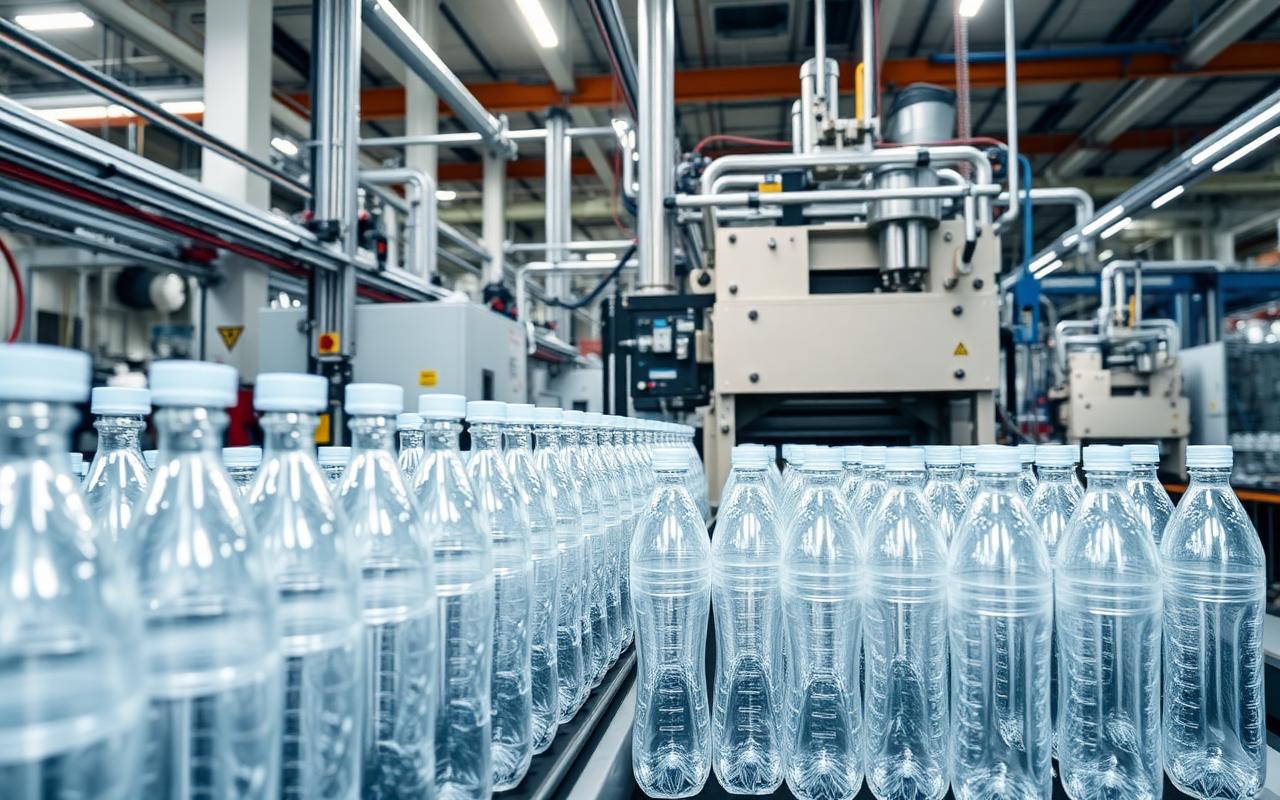
PET Bottle Manufacturing Plant

Integrated PET preform, blowing and filling operation supplying beverage bottlers and private-label brands.

Capacity
48,000 bottles/hour
Investment
$22M – $34M
Technology
Integrated preform-to-pallet blow-fill-cap block
Automation
Fully automatic
Timeline
12–18 months
Financing
Vendor finance plus commercial term loan

Equipment: Preform injection systems, Blow moulding machines, Air conveying, Filling & capping block, Labelling, Palletising

Request similar project

Morocco · Pharmaceutical

Pharmaceutical Packaging Plant

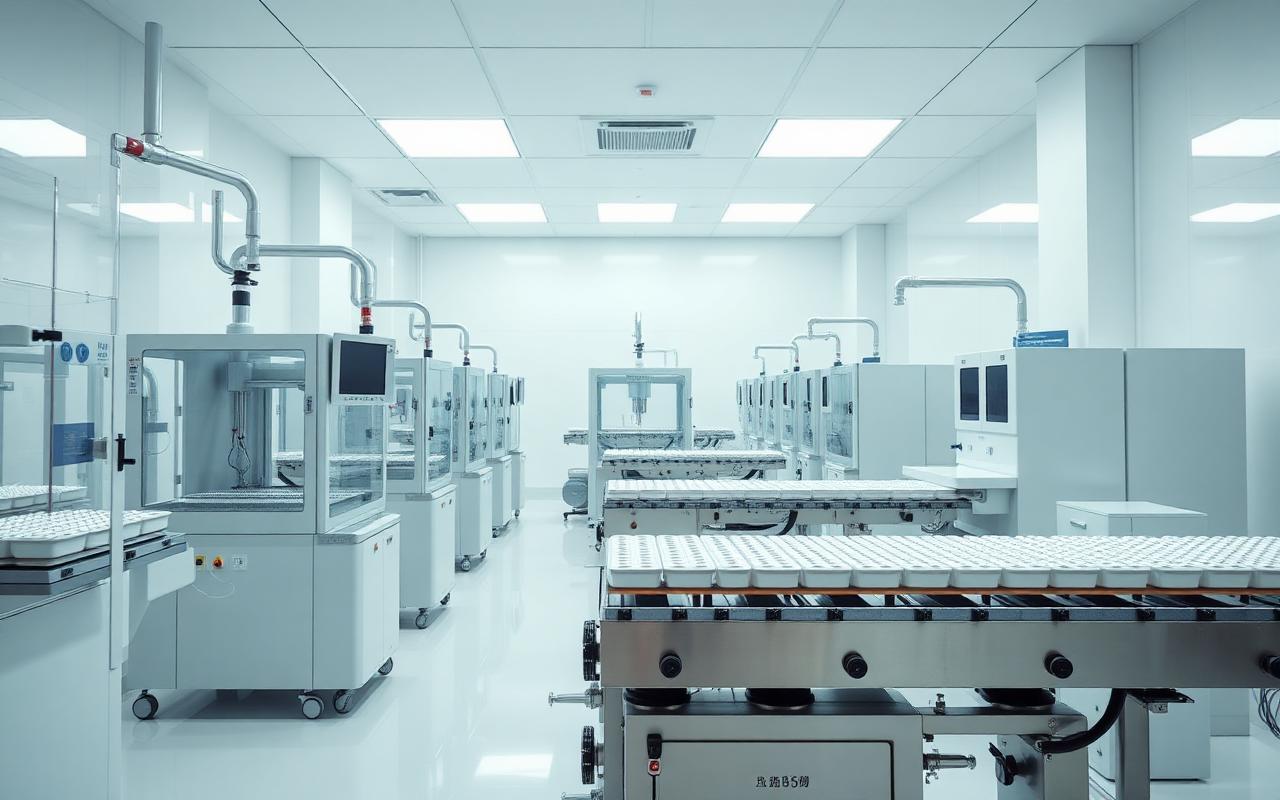
GMP-compliant secondary packaging facility with serialisation and aggregation for regulated export markets.

Capacity
300 million units/year
Investment
$35M – $55M
Technology
GMP blister packaging with full serialisation
Automation
Automatic with validated controls
Timeline
20–26 months
Financing
Development bank facility with ECA equipment cover

Equipment: Blister lines, Cartoners, Serialisation systems, Cleanroom HVAC, Purified water system, Vision inspection

Request similar project

Norway · Seafood

Seafood Processing Facility

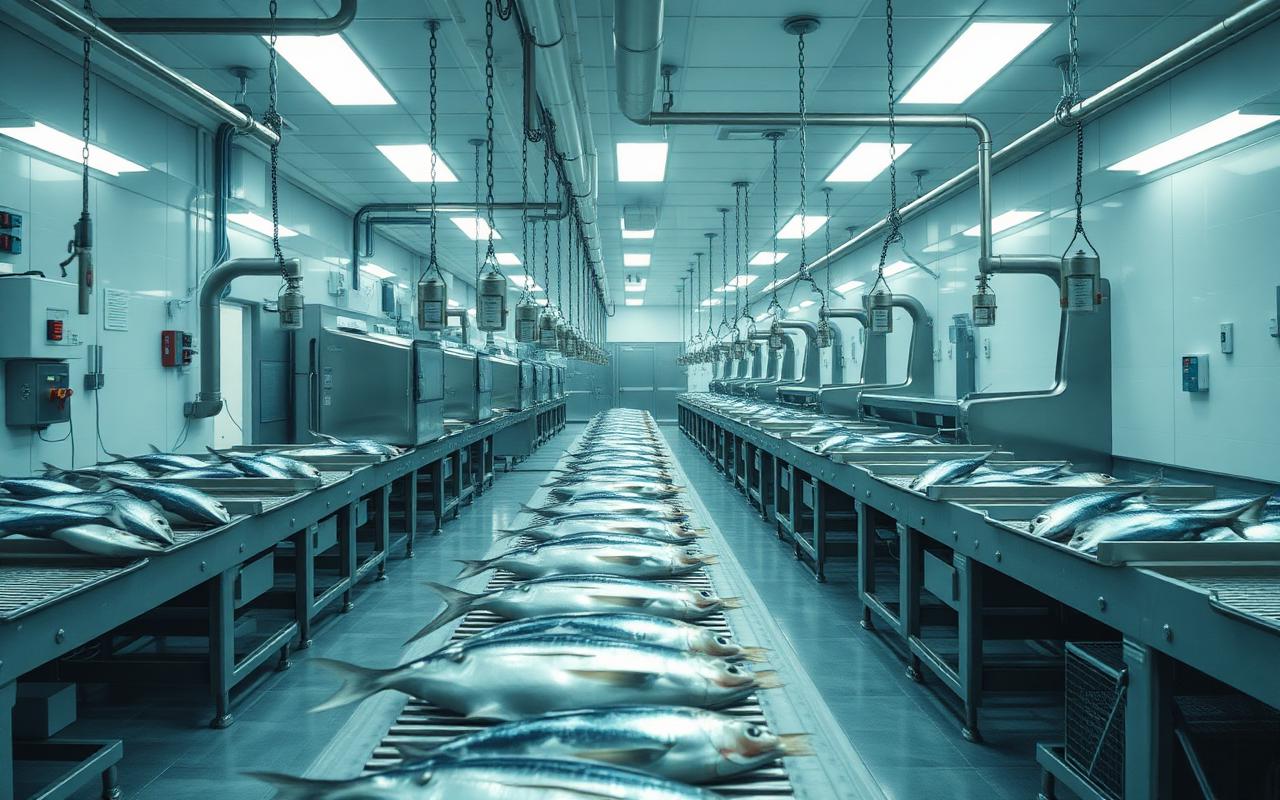
High-automation salmon processing facility with yield-optimised portioning and full by-product valorisation.

Capacity
150 tonnes/day
Investment
$30M – $48M
Technology
Vision-guided portioning with superchilling
Automation
Fully robotic primary processing
Timeline
16–22 months
Financing
Commercial finance with green-investment tranche

Equipment: Automatic filleting, Pin-bone removal, Vision portioning, Skin packaging, Superchilling, By-product recovery

Request similar project

Nigeria · Beverage

Automated Beverage Factory

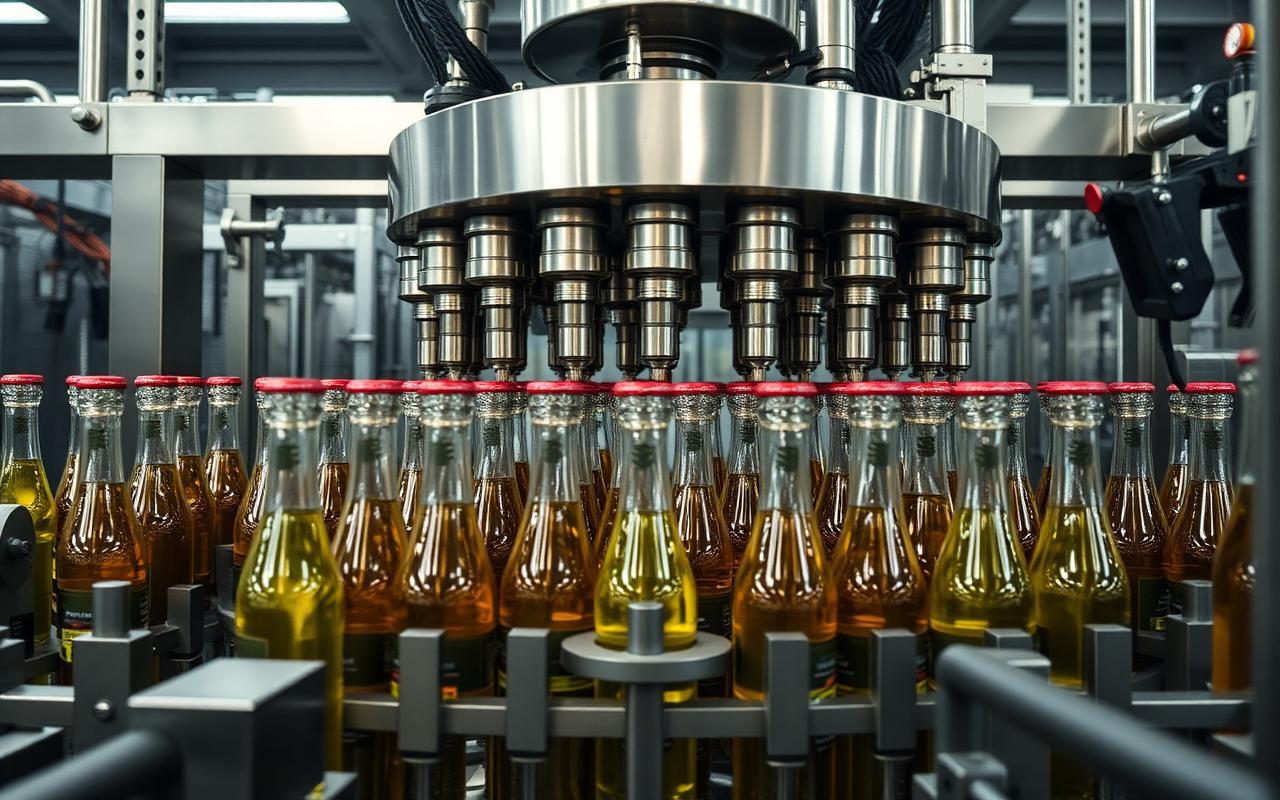
Greenfield beverage plant covering water treatment, syrup preparation, filling and end-of-line automation for regional distribution.

Capacity
36,000 bottles/hour
Investment
$26M – $40M
Technology
Integrated blow-fill-cap with automated syrup room
Automation
Fully automatic
Timeline
14–20 months
Financing
ECA-backed equipment finance plus local bank tranche

Equipment: Syrup room, Blow-fill-cap block, Pasteuriser, Labeller, Shrink packer, Robotic palletiser

Request similar project

Reference

Industry glossary

OEE
Overall Equipment Effectiveness — availability × performance × quality; the honest measure of a line's real output.
FAT / SAT
Factory and Site Acceptance Testing — contractual verification before shipment and after installation.
TCO
Total Cost of Ownership — capex plus energy, spares, labour, downtime and disposal across the asset's life.
Turnkey
A single-responsibility scope covering engineering, supply, installation and commissioning to a performance guarantee.
Scope of supply
The precise boundary of what a supplier delivers — the most common source of budget overrun when left vague.
Performance guarantee
A contractual commitment to a measurable output, quality or consumption figure, with an agreed test protocol.
Lead time
Time from effective order to ex-works readiness; excludes shipping, installation and commissioning unless stated.
Spare parts package
Commissioning, wear and critical spares — priced with the machine, not after delivery.

Checklists

Buying & supplier evaluation checklists

Buying checklist

  • Product specification and quality targets documented
  • Required throughput defined at real operating conditions
  • Growth horizon and expansion path agreed
  • Site utilities and footprint verified
  • Applicable certifications for the destination market listed
  • Automation level justified against labour cost and availability
  • Ten-year TCO model built
  • Financing route identified before supplier selection
  • Installation, commissioning and training scope defined
  • Spare parts and service agreement scoped
  • Performance test protocol drafted
  • Project timeline aligned with permits and civil works

Supplier evaluation checklist

  • Comparable references verified and contacted
  • Financial standing and order-book capacity reviewed
  • Local or regional service coverage confirmed
  • Spare parts availability and lead times documented
  • Full documentation package included in the offer
  • Warranty terms and response commitments in writing
  • Performance guarantee with defined test protocol
  • Compliance with destination-market standards evidenced
  • Payment terms compatible with the financing structure
  • Sub-supplier list for critical components disclosed

Questions & answers

Frequently asked questions

How much does rubber processing machinery cost?

Cost depends on capacity, automation level and scope boundary rather than on the equipment name. A single machine, an integrated section and a turnkey line for the same product can differ by an order of magnitude. Submit a short RFQ and we return an indicative range from comparable qualified suppliers before you commit to anything.

Is Global B2B Group a manufacturer or a marketplace for rubber processing machinery?

Neither. We are an independent procurement platform. We do not manufacture, we do not sell listings, and we carry no manufacturer bias. We qualify suppliers, standardise the RFQ and manage the comparison on the buyer's side.

Is the service free for buyers?

Yes. Buyers use the platform, the RFQ process and the procurement guidance at no cost. There is no obligation to proceed with any supplier we introduce.

What lead times should we plan for rubber processing machinery?

Standard equipment typically ships within 8–16 weeks; custom-engineered machines and complete lines commonly run 16–40 weeks before shipment, with installation and commissioning on top. Delivery is planned backwards from your production start date.

Can you handle used and refurbished equipment?

Yes, where the specification allows. Used assets can save 30–60% of capex, but only with independent inspection, documented remaining life, a realistic relocation and refurbishment budget, and confirmed spare-parts support.

Can financing be arranged?

Financing is scoped alongside the RFQ, not afterwards. Depending on country, sector and ticket size the routes include export credit agencies, development banks, commercial lenders, equipment leasing, vendor finance and project finance. Financing is never provided by Global B2B Group and remains subject to each institution's approval.

Do you support installation and commissioning?

Yes. Installation, commissioning, training and after-sales support are treated as part of the compared scope so that offers remain like-for-like rather than being reopened after contract signature.

Which certifications matter for rubber processing machinery?

The typical set is CE machinery safety, food-contact or medical compliance where relevant, energy efficiency benchmarks, ISO 9001. The binding list depends on your destination market and end-customer requirements, and should be fixed before the RFQ is issued.

Related

By country

Rubber Processing Machinery by sourcing market

Decision tools

Procurement & investment calculators for rubber processing machinery

Model the business case before you commit to a specification. The calculators start from assumptions relevant to this page — override capex, throughput, energy prices and financing terms to match your own project. Every figure is indicative and undiscounted unless stated; our procurement team validates the assumptions against real supplier quotations during the RFQ.

Defaults are tuned to rubber processing machinery: capex $1,500,000, 1,200 units/hr, 0.14 USD/kWh, 6.50% debt over 8 yrs.

Equipment ROI Calculator

Calculates return on investment and simple payback for industrial equipment from purchase price, installation cost, annual benefit and operating cost.

Total investment
$1,680,000
Net annual benefit
$330,000
Simple payback
5.1 years
Lifetime ROI
96.4%

19.6% per year, undiscounted

Related resources for the Equipment ROI Calculator

Pillar guides behind this calculator

Questions this raises

Markets & industries to model next

What each calculator answers

How do I calculate the ROI of industrial equipment?
Add the equipment price to installation and commissioning cost to get total investment, subtract annual operating cost from the annual gross benefit to get net annual benefit, then divide total investment by the net annual benefit for simple payback. Lifetime ROI is the net benefit over the useful life minus the investment, divided by the investment.Inputs: Equipment cost, Installation & commissioning, Annual gross benefit, Annual operating cost, Useful life. Outputs: Total investment, Net annual benefit, Simple payback period, Lifetime ROI.Pillar guides behind this calculator: Factory Automation ROI: When Robots and Controls Actually Pay Back · Industrial Machinery Cost Guide: Capex Bands, Cost Drivers and Budget Accuracy · New vs Used Industrial Machinery: A Total Cost Comparison for BuyersQuestions this raises: How the RFQ workflow validates your ROI assumptions · Automation ROI questions answeredMarkets & industries to model next: Plastics, Rubber & Polymers in Germany · Plastics, Rubber & Polymers in United States · Plastics, Rubber & Polymers in India · All plastics, rubber & polymers equipment categories
How do I calculate annual production capacity of a machine line?
Multiply rated output per hour by operating hours per day and production days per year for theoretical capacity, then apply the target OEE and deduct scrap and rework to get saleable annual output. Dividing saleable output by production days gives the realistic daily rate to quote to customers.Inputs: Rated output per hour, Operating hours per day, Production days per year, Target OEE, Scrap and rework rate. Outputs: Theoretical annual capacity, Saleable annual output, Average daily output, Capacity utilisation.Pillar guides behind this calculator: OEE and Production Capacity Planning: Sizing Equipment Correctly · Food Processing Line Selection: Hygiene, Flexibility and Throughput Trade-offs · Machinery Lead Times: Realistic Schedules From Order to ProductionQuestions this raises: Capacity and OEE questions answered · How suppliers are shortlisted against a capacity specMarkets & industries to model next: Plastics, Rubber & Polymers in Germany · Plastics, Rubber & Polymers in United States · Plastics, Rubber & Polymers in India · All plastics, rubber & polymers equipment categories
How much does a factory expansion cost and when does it pay back?
Sum new equipment, buildings and civil works, and utilities and infrastructure, then add a contingency of about 10 percent. Multiply the capacity uplift in units per year by the contribution margin per unit, and divide the total expansion capex by that additional contribution to get the payback period.Inputs: Current output, Target output, New equipment, Buildings & civil, Utilities & infrastructure, Contribution margin per unit. Outputs: Capacity uplift, Expansion capex including contingency, Additional annual contribution, Expansion payback.Pillar guides behind this calculator: Factory Expansion Planning: From Capacity Gap to Commissioned Line · Turnkey Factory Projects: Contracting Models, Risk Allocation and Delivery · Machinery Installation and Commissioning: FAT, SAT and Performance AcceptanceQuestions this raises: Expansion planning questions answered · How buyers use Global B2B Group (free, buyer-side)Markets & industries to model next: Plastics, Rubber & Polymers in Germany · Plastics, Rubber & Polymers in United States · Plastics, Rubber & Polymers in India · All plastics, rubber & polymers equipment categories
What is the difference between simple payback and discounted payback?
Simple payback counts the years until cumulative undiscounted cash flow turns positive. Discounted payback applies your cost of capital to each year's cash flow first, so it is always longer and is the figure lenders and investment committees use alongside net present value.Inputs: Total investment, Year-one net cash flow, Cash-flow growth, Discount rate, Evaluation horizon. Outputs: Simple payback, Discounted payback, Cumulative net cash position, Net present value (NPV).Pillar guides behind this calculator: Industrial Machinery Cost Guide: Capex Bands, Cost Drivers and Budget Accuracy · Turnkey Factory Projects: Contracting Models, Risk Allocation and Delivery · Factory Automation ROI: When Robots and Controls Actually Pay BackQuestions this raises: Project financing questions answered · Cost benchmarks FAQMarkets & industries to model next: Plastics, Rubber & Polymers in Germany · Plastics, Rubber & Polymers in United States · Plastics, Rubber & Polymers in India · All plastics, rubber & polymers equipment categories
How do I calculate energy savings from an equipment upgrade?
Multiply connected load in kW by annual running hours for baseline consumption, apply the expected percentage reduction to get kWh saved, and multiply by the electricity tariff for the annual saving. Dividing efficiency capex by that saving gives payback, and multiplying kWh saved by the grid emission factor gives avoided CO₂.Inputs: Connected load (kW), Annual running hours, Electricity tariff, Expected reduction, Efficiency capex, Grid emission factor. Outputs: Baseline consumption, Energy saved per year, Annual cost saving, Efficiency payback and CO₂ avoided.Pillar guides behind this calculator: Energy Efficiency in Industrial Machinery: Where the Savings Actually Are · Spare Parts and Maintenance Strategy: Protecting Uptime After Commissioning · Cold Chain Equipment Buyer's Guide: Refrigeration, Storage and DistributionQuestions this raises: Energy efficiency questions answered · Grants and programmes for efficiency upgradesMarkets & industries to model next: Plastics, Rubber & Polymers in Germany · Plastics, Rubber & Polymers in United States · Plastics, Rubber & Polymers in India · All plastics, rubber & polymers equipment categories
How is a monthly equipment lease payment calculated?
Deduct the down payment from the asset value, subtract the present value of the residual or balloon, then amortise the remaining principal over the lease term at the monthly lease rate. Total cost of finance is all payments plus the residual minus the original asset value.Inputs: Asset value, Down payment, Lease rate, Lease term in months, Residual or balloon. Outputs: Monthly lease payment, Upfront cash required, Residual at term end, Total cost of finance.Pillar guides behind this calculator: Equipment Leasing vs Buying: Cash Flow, Tax and Balance Sheet Compared · Industrial Equipment Financing Guide: Nine Routes and How Lenders Decide · New vs Used Industrial Machinery: A Total Cost Comparison for BuyersQuestions this raises: Leasing vs buying FAQ · Equipment leasing routesMarkets & industries to model next: Plastics, Rubber & Polymers in Germany · Plastics, Rubber & Polymers in United States · Plastics, Rubber & Polymers in India · All plastics, rubber & polymers equipment categories
What DSCR do lenders require for an industrial project loan?
Most commercial lenders, export credit agencies and development banks look for a debt service coverage ratio of at least 1.30x. Divide stabilised EBITDA by annual debt service — the annuity on the debt portion over the repayment years after any grace period — to test whether a structure is bankable.Inputs: Total project cost, Equity contribution, Interest rate, Loan tenor, Grace period, Stabilised EBITDA. Outputs: Debt and equity split, Annual debt service, DSCR, Interest during grace.Pillar guides behind this calculator: Industrial Equipment Financing Guide: Nine Routes and How Lenders Decide · Export Credit Agency Financing for Machinery: Eligibility, Structure and Timeline · Factory Expansion Planning: From Capacity Gap to Commissioned LineQuestions this raises: Project financing FAQ · Export credit agency FAQ · Check funding eligibilityMarkets & industries to model next: Plastics, Rubber & Polymers in Germany · Plastics, Rubber & Polymers in United States · Plastics, Rubber & Polymers in India · All plastics, rubber & polymers equipment categories

Industrial financing

Financing routes for rubber processing machinery

Financing is scoped alongside the RFQ, not after supplier selection — the funding route changes the optimal supplier, currency, incoterms and delivery schedule. Global B2B Group never lends, never takes a success fee from buyers and is not tied to any institution. Below are the nine routes we actively structure against.

Indicative capex reference: $1,500,000

Export Credit Agencies

State-backed cover (Euler Hermes, SACE, EKF, UKEF, Atradius, K-Sure) on equipment exported from the supplier's country, usually combined with a commercial bank loan.

Tenor
5 – 12 years
Ticket
$2M – $250M

Best for: Imported production lines and turnkey plants from EU, UK, Korea or Japan

  • Eligible country content
  • Down payment 15%
  • Bankable feasibility study
Explore

Development Banks & DFIs

IFC, EBRD, AfDB, ADB, IDB, FMO, Proparco and bilateral development windows funding industrial capex with concessional pricing and long grace periods.

Tenor
7 – 15 years
Ticket
$5M – $200M

Best for: Food security, cold chain, energy efficiency and job-creating projects in emerging markets

  • ESG / E&S compliance
  • Audited financials
  • Development impact case
Explore

Commercial Lending

Bank term debt and capex facilities secured against project cash flow, equipment and corporate balance sheet, in local or hard currency.

Tenor
3 – 8 years
Ticket
$500K – $80M

Best for: Established operators expanding proven capacity

  • DSCR ≥ 1.3x
  • Security package
  • Sponsor equity 25–35%
Explore

Equipment Leasing

Operating and finance leases that keep machinery off the balance sheet, preserve working capital and align payments with production ramp-up.

Tenor
2 – 7 years
Ticket
$100K – $25M

Best for: Single machines, packaging lines, handling fleets and phased upgrades

  • Asset resale value
  • Insurance
  • Deposit 10–20%
Explore

Vendor Financing

Supplier-supported deferred payment and instalment structures negotiated inside the RFQ, before supplier selection narrows your leverage.

Tenor
1 – 5 years
Ticket
$250K – $30M

Best for: Buyers who want a single contractual counterparty for supply and payment terms

  • Supplier credit appetite
  • Bank guarantee or LC
  • Milestone schedule
Explore

Project Finance

Limited-recourse SPV structures where the facility's own cash flow repays the debt, with independent technical and market due diligence.

Tenor
8 – 18 years
Ticket
$20M – $500M

Best for: Greenfield plants, integrated processing complexes and utility-scale infrastructure

  • Offtake agreements
  • EPC contract
  • Independent engineer report
Explore

Private Equity

Growth and buy-out capital from industrial and agri-focused funds, typically alongside a debt tranche to lower the blended cost of capital.

Tenor
4 – 7 year hold
Ticket
$5M – $150M

Best for: Platform build-outs, consolidation and cross-border expansion

  • Governance standards
  • Growth thesis
  • Exit path
Explore

Investment Partners

Strategic co-investors, family offices and regional sponsors who bring local licensing, land, offtake or distribution alongside capital.

Tenor
Negotiated
Ticket
$1M – $50M

Best for: Projects needing local partnership or market access as much as funding

  • Shareholder agreement
  • Clear capital structure
  • Aligned exit
Explore

Government Programmes

Industrial localisation incentives, capex grants, interest subsidies, free-zone benefits and agri-processing schemes that reduce effective project cost.

Tenor
Programme specific
Ticket
Grants 5% – 40% of capex

Best for: Projects in priority sectors, special economic zones or import-substitution plans

  • Local registration
  • Job creation targets
  • Application windows
Explore

How financing is structured

  1. 1. Scope & budget

    Technical scope and realistic capex band are fixed first — lenders price the project, not the wish list.

  2. 2. Route selection

    We map which of the nine routes actually fit your country, sector, ticket size and sponsor profile.

  3. 3. Bankable package

    Feasibility, offtake, DSCR model and equipment quotations assembled into a lender-ready file.

  4. 4. Introductions

    Independent introductions to ECAs, DFIs, banks, lessors and equity partners — no exclusivity, no success fee to buyers.

Get a funding route assessment

Human-led, supplier-neutral and 100% free for buyers. We return the routes that realistically fit your project, with indicative tenors, equity requirements and documentation checklists.

Guided navigation

These destinations are ranked for this specific scope — adjacent equipment, comparable delivered projects and the financing routes that typically fund capex of this size. Free for buyers, human-led from first scope to commissioning.

External references

Authority references

Internal links

Connected across the Global B2B Group ecosystem

Enterprise

Enterprise procurement contact

Manufacturers, EPC contractors, government programmes and investment funds work with a named procurement lead rather than a ticket queue. Send the project brief and we respond with a scoping call, a qualified supplier long-list and an indicative financing route.

Request rubber processing machinery quotes

Describe the production requirement. We qualify suppliers worldwide, standardise the RFQ and return comparable offers. Free for buyers, with no obligation to proceed.

Home