
Why it matters · Industrial procurement
Why the cold chain must be planned early in agri-food projects
Refrigeration decisions shape product quality, factory layout, utility demand and procurement risk long before equipment arrives.
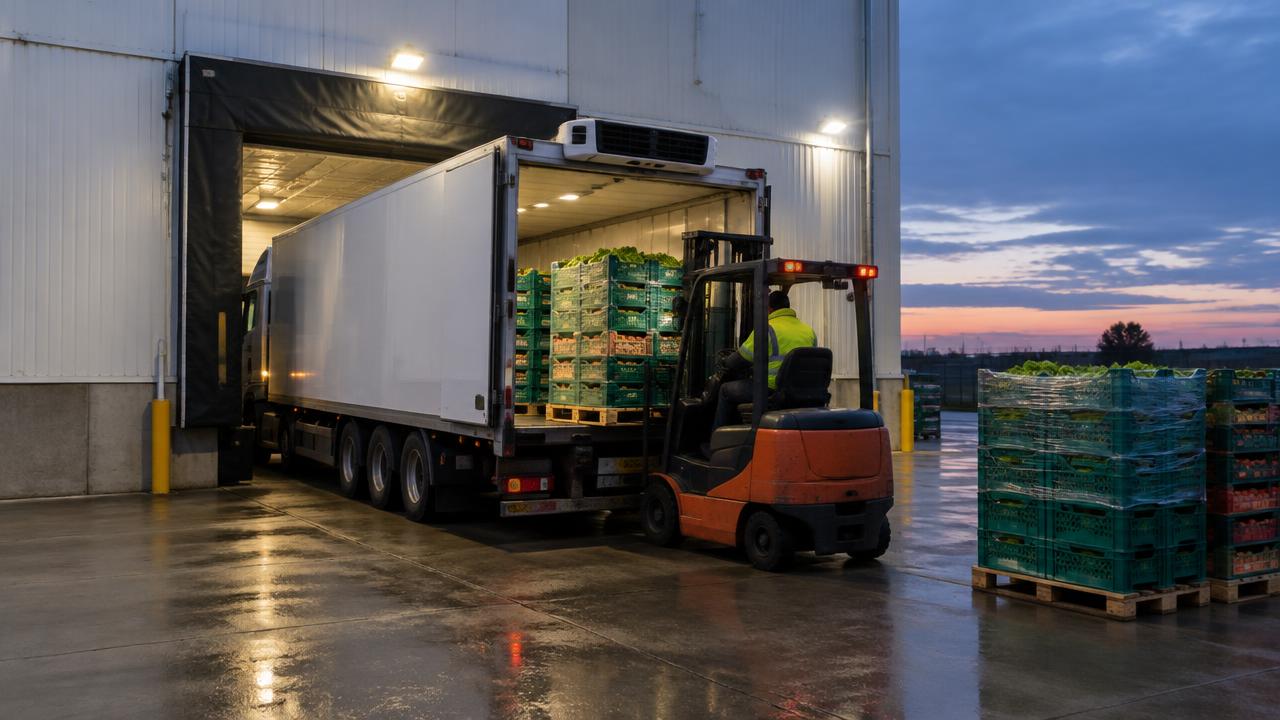
The cold chain must be planned early because product temperature requirements determine cooling capacity, building layout, utilities, storage and dispatch arrangements. Adding refrigeration after processing equipment is selected can leave gaps that insulation or extra storage cannot fix. Start with product specifications, peak intake, cooling deadlines and customer delivery conditions. Translate these into a shared design basis before requesting quotations. Evaluate capital cost alongside energy, maintenance and disruption exposure, and assign responsibility for every temperature-controlled handover from receiving to delivery. Global B2B Group is a buyer-side industrial project coordination and matching platform. Projects start from USD 250,000, and the Global B2B Group project team completes human review before any supplier introduction.
Reason 1: Product requirements define the duty
Different products need different cooling methods, humidity conditions and handling limits. Specify incoming condition, target product temperature and allowable cooling time before selecting refrigeration equipment; room temperature alone does not demonstrate product compliance.
Document requirements by product family, including packaging and intended shelf life. Have food-safety specialists validate the limits. A common mistake is treating chilled produce, frozen ingredients and freshly processed food as interchangeable loads.
Reason 2: Peak intake governs cooling capacity
Harvest arrivals and processing batches rarely follow a smooth average. Map peak intake against cooling time, cleaning and dispatch windows so queues do not leave temperature-sensitive product waiting outside controlled conditions.
Record batch sizes, arrival temperatures and simultaneous loads in the design basis. Separate pull-down duty from storage duty: a room intended to hold cold goods may not cool warm incoming product quickly enough.
Decisions to settle before quotation
| Decision | Early planning input | Late-planning risk | Quotation requirement |
|---|---|---|---|
| Cooling method | Product and deadline | Slow pull-down | Demonstrated cooling duty |
| Storage capacity | Inventory and dispatch | Blocked product flows | Usable pallet positions |
| Utility provision | Coincident peak loads | Infrastructure rework | Connection load schedule |
| Package interfaces | Handover conditions | Unpriced scope gaps | Responsibility matrix |
| Operating resilience | Critical failure scenarios | Uncontrolled warming | Recovery and alarm plan |
Reason 3: Buildings lock in operating constraints
Cold rooms affect floor construction, insulation, vapour control, drainage and traffic routes. Plan them alongside hygienic zoning and maintenance access, rather than fitting them into space left after processing lines are positioned.
Document door openings, pallet movement, cleaning arrangements and expansion space on the layout. Avoid crossing raw and finished-product flows. Ask designers to assess condensation and, where relevant, frost protection before civil works begin.
Capacity alignment calculator
Reason 4: Utilities determine practical feasibility
Refrigeration changes electrical demand, heat rejection and sometimes water requirements. Check site capacity early, including starting conditions and simultaneous production loads. An attractive equipment price means little if supporting infrastructure cannot sustain operation.
Request a utility schedule covering normal, peak and emergency operation. Document ambient design conditions, connection responsibilities and backup priorities. Do not assume a generator supports every load or that condenser ventilation is adequate.
Reason 5: Supplier boundaries create hidden gaps
Processing, refrigeration, packaging and transport suppliers may each quote a technically sound package while leaving handovers unresolved. Assign responsibility for transfer temperatures, conveyors, doors, sensors and control signals before comparing offers.
Use an interface register with named organisations, deliverables and acceptance criteria. Require every supplier quotation to identify exclusions. Phrases such as installation by others need a defined owner, scope and connection point.
Reason 6: Purchase price misses operating exposure
A low purchase cost can conceal energy demand, difficult servicing or unsuitable controls. Compare proposals using the same operating schedule, ambient assumptions and maintenance scope instead of judging compressor ratings in isolation.
Document lifecycle assumptions, refrigerant requirements, local service availability and spare-parts access. Model outage scenarios separately from routine operating cost. Do not buy oversized equipment as a substitute for understanding loads and operating flexibility.
Reason 7: Dispatch completes the cold chain
A compliant storage room cannot protect product during uncontrolled loading or unsuitable transport. Plan staging, dock arrangements, vehicle readiness and delivery responsibilities with the route to market, including foreseeable delays and rejected deliveries.
Specify monitoring locations, alarm escalation, calibration and retained records. Define custody at each handover and how excursions trigger product assessment. Avoid accepting vehicle air temperature as sufficient evidence of the product's thermal history.
What to do before issuing the RFQ
Create a shared design brief containing product specifications, flow diagrams, peak scenarios, layouts and utility limits. Separate confirmed requirements from assumptions. Resolve critical unknowns with qualified specialists before requesting a firm equipment quotation.
Ask bidders to return comparable duty calculations, exclusions, service scope and commissioning plans. Define acceptance tests using representative product loads and documented conditions. Approve interfaces before orders; verify performance before routine commercial operation.
Buyer readiness checklist
- Confirm product-specific temperature and humidity requirements.
- Map peak arrivals and cooling deadlines.
- Separate cooling duty from holding duty.
- Approve hygienic layouts and maintenance access.
- Check utilities and emergency operating priorities.
- Assign every supplier interface and exclusion.
- Compare lifecycle cost on common assumptions.
- Agree commissioning tests and monitoring records.
Tools for procurement preparation
Structure assumptions before approaching suppliers.
Related specialist platforms
Frequently asked questions
When should cold chain planning start?
Start during concept development, before layouts and equipment packages are fixed. Product requirements and peak scenarios should inform the first design brief.
Can a cold room cool freshly harvested produce?
Only if designed for that duty and product. Holding capacity does not establish cooling speed; verify airflow, packaging and product temperature performance.
What affects cold chain equipment cost?
Cost depends on product duty, site conditions, utilities, controls and resilience requirements. Include installation, commissioning, maintenance and energy assumptions when comparing offers.
What should a refrigeration RFQ include?
Include product conditions, peak throughput, cooling deadlines, ambient conditions and utility limits. Specify scope boundaries, exclusions, monitoring requirements and acceptance tests.
Should storage and transport be planned together?
Yes: dispatch schedules and loading conditions affect storage occupancy and temperature exposure. Define handover responsibilities and monitoring evidence before choosing either package.
Why plan the cold chain first?
Early cold chain planning makes refrigeration part of the production system rather than a late equipment purchase. It aligns product cooling requirements with throughput, packaging, storage, utilities and transport. Buyers should document incoming conditions, required product temperatures, peak operating scenarios and supplier interfaces before issuing an RFQ. This allows comparable quotations and realistic acceptance tests. The right solution depends on the product, site, operating pattern and delivery commitments, not simply cold-room volume.
Key facts
- Cold storage and rapid cooling are different duties.
- Peak arrivals matter more than average throughput alone.
- Air temperature does not establish product temperature.
- Interface ownership makes quotations more comparable.
- Lifecycle evaluation extends beyond equipment purchase price.
Define the project before buying equipment
Global B2B Group is a buyer-side industrial project coordination and matching platform, not a manufacturer, EPC contractor, lender or insurer. Projects start from USD 250,000. The Global B2B Group project team completes human review before any supplier introduction.
Planning guidance only. Qualified specialists must confirm food safety, engineering design and applicable regulatory requirements.
