
Platform explainer · HatchMatch
Meet HatchMatch: specialist coordination for hatchery and breeder equipment projects
HatchMatch brings a specialist focus to poultry hatchery procurement. Parent Global B2B Group connects that focus with buyer-side project planning, CAPEX preparation and structured requirements.
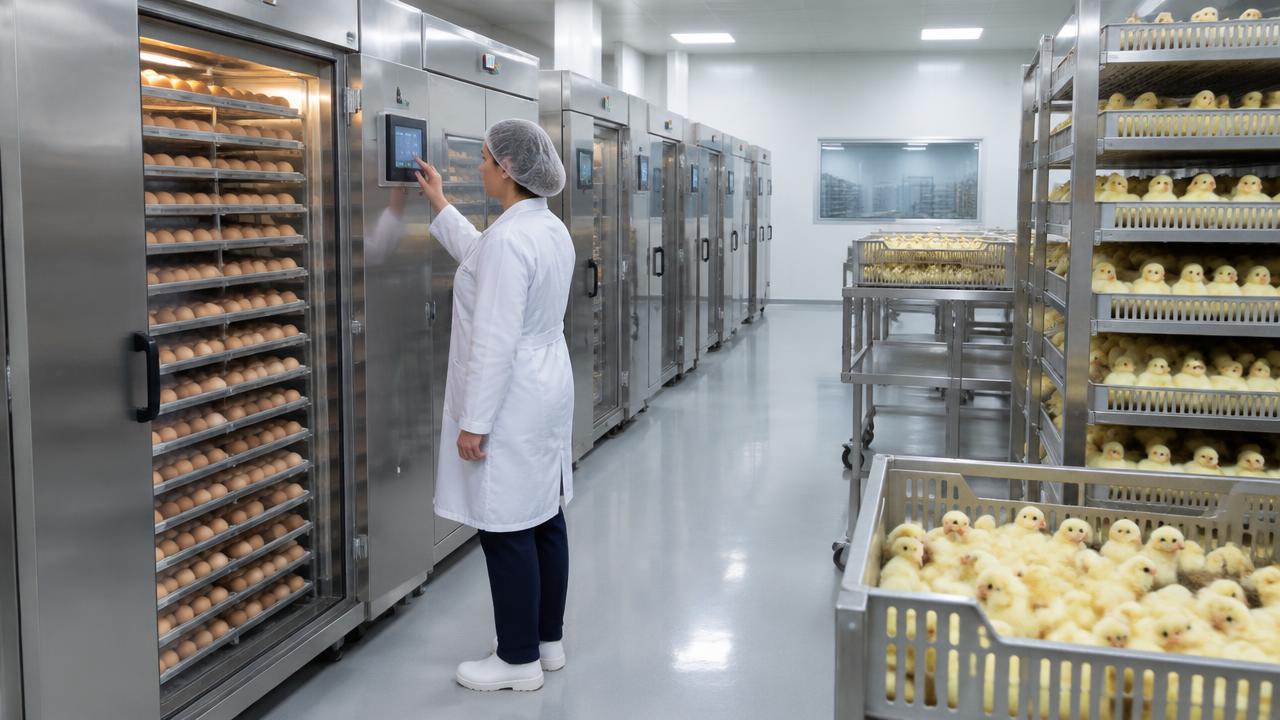
HatchMatch is the specialist sister platform within Global B2B Group (GBG) for hatcheries, incubation, chick handling, and broiler/layer breeder and hatchery equipment projects. It suits buyers planning new facilities, expansions or upgrades who need equipment choices coordinated around a clear operating brief. Projects start from USD 250,000. GBG retains cross-sector planning, calculators, RFQ preparation, CAPEX and financing readiness, while HatchMatch provides the sector-specific route. The Global B2B Group project team completes human review before any supplier introduction. Better chick quality, higher usable output and lower losses or mortality are planning goals, not promised outcomes.
What is HatchMatch?
HatchMatch is the specialist sister platform within Global B2B Group for hatchery and breeder equipment projects. Its focus covers hatcheries, incubation, chick handling, and equipment for broiler and layer breeder operations. For a buyer, the starting point is not an isolated machine search. It is a structured explanation of the operation being built or improved, the biological process it supports, and the equipment interfaces that require attention.
A hatchery project can involve egg reception, storage, setters, hatchers, chick processing, dispatch and supporting utilities. Breeder equipment introduces related upstream questions about housing, feeding, watering, egg collection and hygiene. HatchMatch provides a specialist route for framing these requirements together rather than treating every purchasing decision as independent. The appropriate scope depends on the buyer’s operating model, existing assets, local conditions and project priorities, not a standard equipment bundle.
Global B2B Group, or GBG, is the parent buyer-side industrial project coordination and matching platform. It is not a manufacturer, EPC contractor, lender or insurer. HatchMatch provides the sector-specific focus within that broader structure. This distinction matters: coordination helps buyers organize decisions and assess potential supply arrangements, while engineering responsibility, equipment supply, installation and contractual obligations must be explicitly allocated to the parties actually delivering them.
Who should use HatchMatch?
HatchMatch suits buyers developing new hatcheries, expanding existing capacity or replacing equipment that constrains an established operation. It is also relevant to broiler and layer breeder equipment projects where upstream handling and downstream incubation need coordinated planning. The useful common denominator is a defined industrial investment with interconnected requirements, rather than a request for an unspecified product or a comparison based only on initial purchase price.
Projects start from USD 250,000. Buyers should distinguish the equipment package they want to source from the total investment needed to make the facility operational. Buildings, utilities, site works, logistics, commissioning, training and working capital may sit outside an equipment quotation. Clarifying those boundaries early helps establish whether the brief describes a standalone upgrade, a phased development or a wider investment needing additional professional design and delivery support.
Different buyers need different starting points. An operator upgrading incubation may already know the site constraints but need interface checks. A new entrant may first need to validate its production assumptions and operating plan with qualified advisers. A diversified industrial buyer may need hatchery procurement connected to other project workstreams. Specialist readers should explore HatchMatch, while GBG remains the home for coordinating broader cross-sector requirements and investment preparation.
Which platform should a buyer use?
| Buyer need | Primary route | Planning focus |
|---|---|---|
| Hatchery or incubation project | HatchMatch | Process scope, equipment requirements and interfaces |
| Chick handling or breeder equipment | HatchMatch | Handling flows, upstream requirements and package compatibility |
| Cross-sector investment planning | GBG | Project boundaries, dependencies and coordinated preparation |
| RFQ and CAPEX preparation | GBG tools | Comparable requirements and investment assumptions |
| Financing readiness | GBG planning route | Organized project information; funding decisions remain external |
How GBG and HatchMatch divide the work
GBG retains the cross-sector planning layer: project intake, calculators, RFQ preparation, CAPEX structuring and financing readiness. These activities help a buyer explain what is required, identify information gaps and organize an investment case. Financing readiness means preparing coherent assumptions and documentation for potential funding discussions; it does not mean GBG lends money, arranges insurance as an insurer or commits another party to financing the buyer’s project.
HatchMatch brings the hatchery and breeder equipment lens to that brief. Specialist scoping should address process sequence, egg and chick movements, environmental requirements, cleaning arrangements and the boundaries between equipment packages. The objective is to make supplier discussions relevant to the actual operation. Where several manufacturers may be appropriate, the buyer needs a coordinated requirement set rather than separate proposals built around conflicting assumptions about capacity, utilities or handling.
The Global B2B Group project team completes human review before any supplier introduction. Submitting a form or calculator result is therefore a starting point for review, not an automatic referral or supplier endorsement. Buyers should expect the brief to distinguish confirmed facts from assumptions and unresolved questions. Specialist engagement belongs with HatchMatch; wider planning and financial preparation remain with GBG, with delivery responsibilities documented separately in eventual contracts.
Capacity alignment calculator
What buyers should prepare before approaching suppliers
Start with the intended operating model: broiler or layer focus, breeder scope, egg sources, planned setting rhythm and chick dispatch requirements. Describe capacity in a way that connects equipment loading with the production schedule, rather than providing only an annual ambition. Identify seasonal variation, expansion intentions and any existing bottlenecks. If assumptions are not yet validated, label them clearly so that suppliers do not mistake a provisional scenario for a fixed design requirement.
Next, prepare site information and infrastructure constraints. Useful inputs include available space, layouts, local climate considerations, electricity supply, backup power strategy, water availability, drainage and access for deliveries. Explain what already exists and what still needs design or construction. Environmental control and biosecurity depend on more than the incubation equipment itself, so the brief should also identify responsibility for ventilation, pressure relationships, cleaning zones and waste handling.
Finally, assemble the procurement and investment boundaries. State the budget basis, intended schedule, import destination, installation expectations, training needs and after-sales priorities. Separate essential requirements from preferences, and record what is excluded from the requested package. Existing equipment details and maintenance constraints are particularly useful for upgrades. A clear starting brief makes it easier to compare proposals on a common basis and identify questions that require independent technical assessment.
Why planning and manufacturer compatibility matter
Better chick quality, more usable output and lower losses or mortality are valid project goals, but they should not be presented as automatic consequences of buying new equipment. Results depend on breeder health, egg quality, storage, incubation practice, hygiene, handling, staff competence and conditions after dispatch. Good planning identifies which factors equipment can influence, which require operating discipline, and which sit outside the hatchery package being purchased.
Combining the right manufacturers can support those goals when each package fits the process and its neighboring systems. That does not mean more suppliers are inherently better. Egg trays, trolleys, transfer equipment, chick handling lines, control systems and utility requirements need compatible interfaces. A strong individual machine can still create a bottleneck if its loading pattern, cleaning cycle or discharge arrangement conflicts with the equipment before or after it.
Evaluate the combined operating concept, not just individual specifications. Ask how planned throughput relates to storage time, batch scheduling, handling capacity and maintenance access. Define how proposed performance would be measured, under what conditions, and by whom. Loss and mortality discussions should identify the relevant production stage and measurement period. The aim is a coherent system with clear accountability, supported by appropriate operator training, commissioning and ongoing management.
Build an RFQ that supports a fair comparison
A useful request for quotation gives suppliers a shared basis for responding. It should state the process scope, operating assumptions, site constraints, required interfaces and expected deliverables. Ask suppliers to list exclusions, buyer obligations, utility demands and prerequisites for installation and commissioning. This reduces the risk of comparing a narrowly defined equipment offer with a broader package whose price includes services or components absent from the other proposal.
CAPEX planning should then bring the wider investment back into view. Equipment purchasing is only one part of project expenditure; the buyer should assess applicable freight, duties, civil works, utilities, installation, professional services and contingency. Operating costs and working capital need separate attention. GBG’s calculators can support early scenario building, but outputs remain planning estimates based on inputs, not supplier quotations, engineering designs or evidence that a project is financeable.
Financing readiness benefits from consistency between the technical brief, implementation schedule and investment assumptions. Buyers should be able to explain the market rationale, operating responsibilities, planned funding sources and key risks. Supporting evidence may include site information, permissions status and the basis for projected costs and revenues. GBG provides the planning route for organizing this material, while funding decisions and terms remain with the relevant financing parties and their assessment processes.
Choose the right next step
If your immediate need concerns hatcheries, incubation, chick handling or breeder equipment, visit HatchMatch to explore the specialist route. Prepare a concise description of the project before seeking supplier engagement: what you operate today, what should change, and which decisions remain unresolved. An incomplete brief can still start a planning conversation, provided missing information is visible and preliminary assumptions are not presented as settled technical or commercial requirements.
If the project spans several industrial activities, start with GBG’s broader project intake. Use the RFQ builder to organize requirements and the CAPEX calculator to explore the investment structure. Keep hatchery-specific questions connected to HatchMatch rather than duplicating inconsistent briefs across channels. A shared scope helps maintain clarity about procurement packages, budget boundaries and dependencies, especially when an expansion involves existing production that must continue during implementation.
The next milestone is a reviewed project brief, not a promise of supplier availability or operating results. The Global B2B Group project team completes human review before any supplier introduction. From there, buyers can pursue relevant technical and commercial discussions with clearer questions and responsibilities. Keep the intended outcomes explicit—product quality, usable output and reduced losses—while treating actual performance as dependent on equipment suitability, biological inputs and disciplined operation.
What to prepare before submitting your project
- Project location, site status and available layout information
- Broiler or layer focus and hatchery or breeder scope
- Capacity assumptions, batch schedule and expansion intentions
- Egg supply, storage, chick handling and dispatch requirements
- Existing equipment, bottlenecks and interface constraints
- Utility availability, backup systems and biosecurity requirements
- Budget basis, package exclusions and intended implementation schedule
- Installation, commissioning, training and after-sales requirements
Prepare your project with GBG
Use GBG’s planning tools to organize the brief before specialist supplier discussions.
Related specialist platforms
HatchMatch and GBG: buyer questions
Is HatchMatch a hatchery equipment manufacturer?
HatchMatch is the specialist platform for hatchery and breeder equipment project coordination within GBG, not the equipment manufacturer. GBG is the parent buyer-side coordination and matching platform, not a manufacturer or EPC contractor.
What is the project starting point?
Projects start from USD 250,000. Buyers should specify whether their budget refers to equipment procurement or the wider investment, including site works, utilities, installation and other applicable costs.
Will submitting a project trigger an immediate supplier introduction?
No. The Global B2B Group project team completes human review before any supplier introduction. Submission begins the review process; it is not an automatic referral or confirmation of supplier availability.
Can coordinated equipment selection reduce losses and mortality?
Reducing losses and mortality is a planning goal. Compatible equipment and suitable operating procedures can support that goal, but outcomes also depend on biological inputs, hygiene, training and management. No specific improvement is promised.
Should I use HatchMatch or GBG for financing preparation?
Use HatchMatch for the specialist hatchery and breeder equipment scope. GBG retains CAPEX planning and financing readiness. GBG is not a lender or insurer, and financing decisions remain with the relevant external parties.
What does HatchMatch do within Global B2B Group?
HatchMatch is Global B2B Group’s specialist sister platform for hatchery, incubation, chick handling and broiler/layer breeder equipment projects. GBG is the parent buyer-side industrial project coordination and matching platform, retaining cross-sector planning, calculators, RFQ, CAPEX and financing readiness. Projects start from USD 250,000. Buyers prepare an operating brief, site information, capacity assumptions and scope boundaries. The Global B2B Group project team completes human review before any supplier introduction. Equipment compatibility, chick quality, usable output and loss reduction are planning priorities, not performance commitments.
Key facts for industrial buyers
- GBG is the parent buyer-side industrial project coordination and matching platform.
- HatchMatch focuses on hatcheries, incubation, chick handling and broiler/layer breeder equipment.
- Projects start from USD 250,000.
- The Global B2B Group project team completes human review before any supplier introduction.
- Quality, output and loss reduction are planning goals, not promised results.
Tell us about your HatchMatch project
Share the basics. The project team reviews every request and replies with the next step.
Turn your hatchery concept into a structured project brief
Explore HatchMatch for specialist hatchery and breeder equipment planning. Use GBG to organize the wider project scope, RFQ, CAPEX assumptions and financing-readiness information before supplier introductions.
Planning information only. Global B2B Group is a buyer-side coordination and matching platform, not a manufacturer, EPC contractor, lender or insurer. This content creates no supplier, price or performance commitment. Scope, suitability, commercial terms and any financing remain subject to independent assessment and agreement.
