
Agriculture · Integrated project planning
Plan a commercial hatchery around chick quality, not machine capacity
A procurement guide to integrating egg handling, incubation, hygiene, vaccination and chick delivery with receiving farms and feed supply.
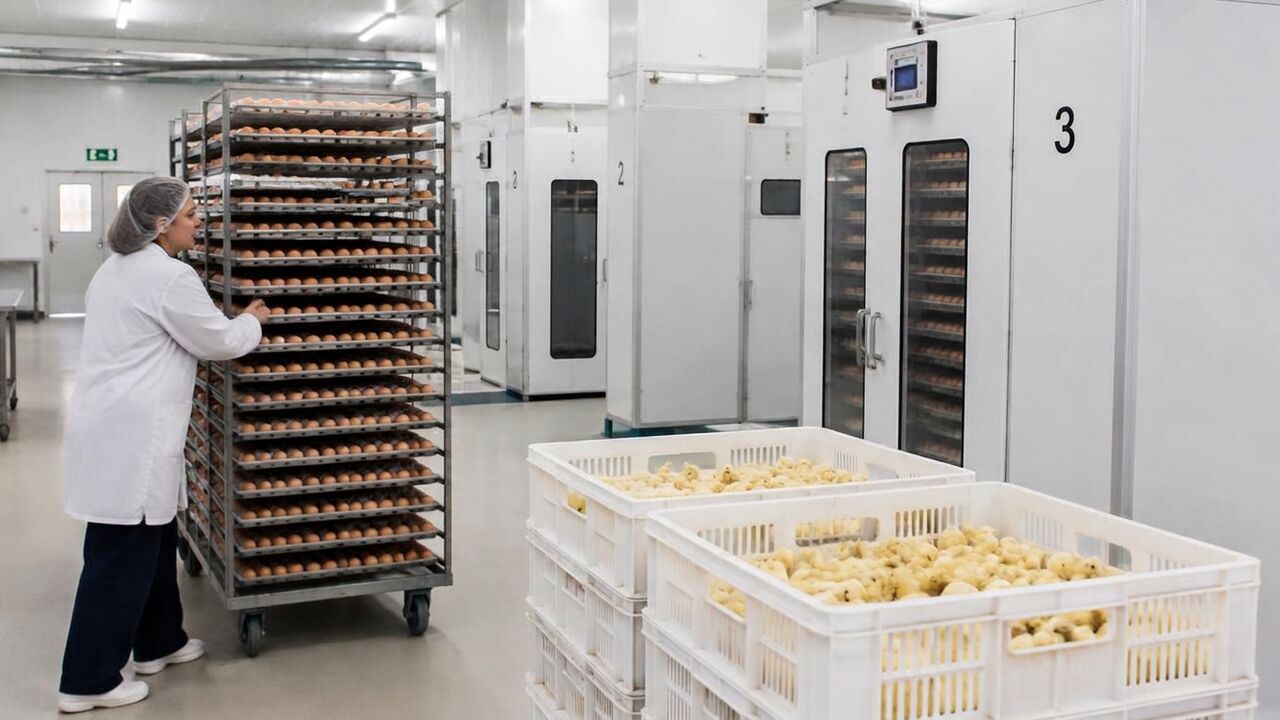
Commercial hatchery planning should work backwards from healthy, uniform chicks placed into prepared broiler or layer houses. Coordinate egg storage, setters, hatchers, ventilation, hygiene, vaccination, chick processing and climate-controlled transport with farm schedules and suitable feed availability. Correct integration of several manufacturers can create substantial value through better quality, more saleable output and fewer avoidable losses. Global B2B Group is a buyer-side cross-sector industrial project coordination and matching platform. Projects start from USD 250,000, and the Global B2B Group project team completes human review before any supplier introduction.
What should a chick-quality-led hatchery plan achieve?
A commercial hatchery is a controlled biological production system that converts fertile hatching eggs into chicks ready for farm placement. Its procurement specification should prioritise chick quality, hatchability, uniformity and early survival rather than installed egg capacity alone. Define hatchability with its denominator: chicks hatched from eggs set and chicks hatched from fertile eggs answer different questions. Record saleable chicks separately from total chicks hatched. These distinctions help procurement managers compare equipment proposals without confusing biological potential with usable commercial output.
Work backwards from the broiler or layer farms receiving each delivery. Confirm flock placement dates, chick specifications, house capacity, unloading arrangements, brooding readiness and availability of appropriate starter feed and drinking water. For layer operations, clarify sexing requirements and the destination of each chick category. Good planning across several manufacturers can deliver serious buyer value by protecting quality, supporting more saleable output and reducing avoidable mortality and waste. Actual outcomes remain dependent on egg quality, disease status, operating discipline and farm management.
How should egg handling and storage protect hatchability?
Egg handling begins before eggs enter storage. The project brief should identify breeder flock sources, collection practices, transport conditions, egg age distribution and receiving inspection responsibilities. Specify traceability by source flock and collection date, together with rules for rejecting damaged or unsuitable eggs. Receiving capacity must accommodate delivery peaks without prolonged exposure or rough handling. Tray geometry, trolley dimensions and transfer methods need agreement across egg handling equipment suppliers and incubator manufacturers so that manual rehandling does not become an unplanned operating requirement.
Storage conditions should follow validated guidance for the genetics, expected storage duration and local environment rather than a universal temperature setting. Define temperature and humidity control, monitoring locations, alarm escalation, stock rotation and any required turning arrangements. Plan controlled transitions into prewarming and setting to limit condensation and uneven embryo development. Egg room doors, airflow and dispatch schedules matter as much as refrigeration capacity. Storage buffers should absorb realistic supply variation without quietly extending egg age beyond the operating assumptions used to forecast hatchability.
Hatchery interfaces that procurement must resolve
| Interface | Buyer must define | Supplier must confirm |
|---|---|---|
| Egg reception to storage | Source traceability, egg age limits, delivery peaks and inspection rules | Tray compatibility, gentle transfer, storage mapping and alarm records |
| Storage to setters | Stock rotation, prewarming sequence and setting calendar | Loading patterns, turning arrangements and controlled environmental transitions |
| Setters to hatchers | Transfer schedule, batch segregation and sanitation windows | Tray-to-basket interfaces, transfer capacity and incubation data continuity |
| Building ventilation to incubation equipment | Seasonal design conditions, hygiene zoning and emergency operating priorities | Intake and exhaust requirements, heat loads and room pressure compatibility |
| Hatchers to vaccinated, boxed chicks | Veterinary programme, grading criteria, traceability and dispatch peaks | Processing throughput, calibration procedures, cleanability and queue control |
| Chick dispatch to farm placement | Routes, house readiness, starter feed availability and unloading plans | Load-specific climate control, monitoring, alarms and transport contingencies |
How do setters and hatchers match the placement calendar?
Setter and hatcher selection should start with the placement calendar, egg supply profile and intended batch strategy. Compare single-stage and multistage incubation against flock segregation, operating skills, cleaning opportunities, energy infrastructure and process control needs. Translate required chick deliveries into egg setting schedules using transparent assumptions for fertility, hatchability and chick grading losses. Keep these assumptions separate so that weak incoming egg quality is not mistaken for inadequate machine capacity. Include transfer timing, cleaning downtime and maintenance access in the capacity model.
Ask manufacturers to explain usable loading configurations, egg size compatibility, turning systems, sensor placement, alarm logic and the evidence supporting environmental uniformity. Setter trays, transfer equipment and hatcher baskets must work together mechanically and operationally. Specify how the team will monitor embryo development and manage the hatch window under veterinary and incubation guidance. A machine with spare nominal capacity may still constrain dispatch if batch timing creates concentrated hatch peaks. Acceptance should therefore examine representative loading patterns and transfer routines, not empty-chamber readings alone.
Capacity alignment calculator
What climate, ventilation and hygiene interfaces need coordination?
Incubators depend on the building environment, so hatchery ventilation cannot be purchased as an unrelated comfort cooling package. Reconcile machine intake requirements, exhaust arrangements, heat rejection, humidity loads and room pressure relationships with the ventilation designer. Evaluate local seasonal conditions, simultaneous equipment operation and door opening during transfers. Define power failure responses, backup supply priorities and alarm communications. Climate control should protect eggs and chicks throughout storage, incubation, processing and dispatch, including the transition spaces where ownership between equipment packages is often unclear.
Hygiene zoning should separate incoming eggs, clean incubation activities, hatch debris, washing, waste removal and chick dispatch through a documented movement plan. Design personnel access, clothing changes, equipment cleaning and drainage to reduce cross-contamination. Confirm pressure relationships with the hygiene strategy instead of assuming one airflow direction suits every room. Cleaning agents, surface materials and electrical protection must be compatible. Include safe waste handling and locally compliant disposal arrangements. The buyer should appoint qualified specialists to validate biosecurity, sanitation procedures and environmental requirements before layout approval.
How should vaccination and chick processing preserve quality?
Chick processing should preserve the quality achieved during incubation rather than expose chicks to excessive waiting, handling or unsuitable environmental conditions. Map unloading from hatchers, separation from shell debris, grading, any required sexing, vaccination, counting and boxing as a timed sequence. Identify queues at each transfer and the maximum practical workload per shift. Specify gentle handling, cleanable contact surfaces, operator access and traceability. Processing capacity should follow peak hatch and dispatch patterns, not simply average daily chick numbers stated in a sales proposal.
Vaccination requirements must be established with qualified veterinary advisers and applicable local rules. Where in ovo vaccination is proposed, coordinate egg transfer timing and compatibility with incubation equipment; where chick vaccination is used, define the application method and handling sequence. Specify vaccine storage, preparation, equipment calibration, cleaning, operator training and treatment records. Verify delivery consistency using agreed procedures without treating equipment purchase as proof of protection. Batch records should connect egg source, incubation history, vaccination details and chick destination so later farm observations can be investigated.
How do transport, receiving farms and feed supply reduce losses?
Climate-controlled chick transport is an extension of hatchery process control, not just a vehicle specification. Define route duration, seasonal weather exposure, loading density, box ventilation, vehicle airflow and conditions during loading and unloading. Require monitoring that reflects the chick environment across representative load positions, alongside alarms and contingency procedures. Air temperature alone cannot describe every welfare risk because humidity, airflow, metabolic heat and loading pattern interact. Coordinate departure windows with farm readiness to avoid unnecessary holding at either end of the journey.
The receiving farm should confirm cleaned and prepared housing, appropriate brooding conditions, functioning drinkers and suitable feed before dispatch is authorised. Match broiler or layer starter feed specifications, physical form, storage and delivery timing to the production programme with nutrition advisers. Feed availability is not merely a downstream purchasing issue: delayed access can undermine an otherwise well-managed hatchery delivery. Review first-week mortality and uniformity by hatch batch, journey and receiving house. Shared records help distinguish incubation, transport, brooding, health and nutrition issues before corrective action.
What belongs in a commercial hatchery equipment RFQ?
A commercial hatchery equipment RFQ should give every bidder the same biological assumptions, placement calendar, process map and utility conditions. Procurement searches for commercial hatchery equipment suppliers or turnkey hatchery cost are useful starting points, but neither establishes a complete scope. Define package boundaries for egg handling, storage, incubation, ventilation, washing, vaccination, processing and transport. Require a responsibility matrix for physical connections, controls, software data exchange, installation and testing. The term turnkey should never replace an explicit list of inclusions, exclusions and acceptance obligations.
Compare total installed CAPEX and operating cost drivers rather than headline machine prices. Ask for separate schedules covering civil interfaces, utility equipment, freight, installation, commissioning, training, spares, consumables, software and service support. Examine maintenance access, local technical capability and the consequences of replacing proprietary components. Resolve deviations before commercial ranking, and record assumptions behind any allowances for omitted scope. Correct integration of several manufacturers can be more valuable than choosing isolated low-cost packages, particularly when incompatible transfers or environmental controls would otherwise create recurring losses.
How should acceptance connect hatchery performance with farm results?
Factory acceptance should verify equipment construction, controls, alarms, safety functions and agreed operating sequences. Site acceptance must then demonstrate installation quality, utility adequacy, room conditions, mechanical transfers and data continuity across the full process. Establish commissioning responsibilities before shipment, including who supplies test materials and approves sanitation readiness. Biological evaluation requires representative eggs and documented operating conditions; it cannot be inferred from an empty machine test. Agree sampling methods, measurement instruments, batch coverage and procedures for resolving disputed findings before equipment orders are placed.
Use a balanced monitoring plan covering fertility assessment, hatchability, embryo mortality patterns, chick grading, hatch timing, delivery condition and first-week farm observations. Define chick uniformity through an agreed assessment method rather than a vague visual claim. Compare like-for-like batches where possible and record confounding factors such as flock age, egg storage duration and farm conditions. Investigate changes jointly with technical and veterinary advisers. Contractual acceptance must distinguish supplier-controlled functions from biological outcomes influenced by several parties, with clear corrective-action ownership and no unsupported promises.
How does Global B2B Group coordinate a hatchery project?
Global B2B Group is a buyer-side cross-sector industrial project coordination and matching platform, not a manufacturer, EPC contractor, lender or insurer. It helps structure the overall project brief, package interfaces and comparable supplier requirements. Relevant hatchery and poultry infrastructure requirements can be routed through HatchMatch, while feed-related requirements can be routed through FeedMatch. The purpose is a coherent buyer-owned project basis across specialist categories, not a collection of disconnected quotations or an assumption that one manufacturer can resolve every biological and infrastructure interface.
Prepare the country, site status, egg sources, placement schedule, target chick categories, farm readiness, feed arrangements, utility availability, scope and budget before requesting introductions. Global B2B Group projects start from USD 250,000. The Global B2B Group project team completes human review before any supplier introduction, checking project fit, information gaps and the appropriate specialist route. Use planning tools to compare assumptions, then carry the selected basis into a controlled RFQ. Human review does not replace engineering validation, supplier due diligence, veterinary advice or contractual assessment.
Manufacturer-ready project checklist
- Receiving farm placement calendar and broiler or layer chick specifications
- Egg sources, fertility assumptions, egg age profile and hatchability definitions
- Egg reception, storage, prewarming and traceability requirements
- Setter and hatcher batch schedules including transfer, cleaning and maintenance
- Ventilation loads, hygiene zoning, utility interfaces and emergency responses
- Veterinary-approved vaccination scope and chick processing sequence
- Climate-controlled transport plan and farm unloading arrangements
- Brooding readiness, drinking water and appropriate starter feed supply
- Itemised RFQ scope, installed CAPEX basis and integrated acceptance criteria
- Project budget from USD 250,000 and a documented procurement decision timetable
Use the planning workflow
Compare capacity and budget assumptions, document farm dependencies and prepare one coordinated hatchery request.
Relevant specialist platforms
Questions project buyers ask
What is the difference between hatchability and chick quality?
Hatchability measures how many chicks hatch relative to a defined egg population, such as eggs set or fertile eggs. Chick quality concerns the condition and suitability of those chicks for placement. A hatchery can report strong hatch numbers while still facing grading losses or poor early farm outcomes. Procurement should specify both measures and connect them with delivery condition and first-week observations.
Can a turnkey hatchery supplier cover every interface?
A turnkey offer may include several packages, but the label does not establish responsibility for buildings, ventilation, utilities, vaccination, transport or farm readiness. Request a detailed scope and interface matrix. Verify who designs, installs, tests and supports each connection. Buyer-side coordination remains important even with one lead supplier because biological inputs and receiving farm conditions sit beyond many equipment contracts.
Why should feed supply influence hatchery planning?
Chick deliveries need to arrive at farms with suitable feed, drinking water and brooding conditions already available. Hatch scheduling that ignores feed delivery or house preparation can create avoidable waiting and a weaker start after placement. Feed specifications should be agreed with nutrition advisers for the receiving production programme. Integrated planning connects these dependencies without assuming the hatchery controls every farm outcome.
Can integrated equipment planning eliminate first-week mortality?
No. First-week mortality can reflect breeder health, egg quality, incubation, vaccination, transport, infection, brooding and nutrition. Integrated planning helps identify preventable mismatches and assign corrective actions, but it cannot eliminate biological uncertainty. Track outcomes by batch and receiving house, use consistent definitions and involve veterinary advisers. Better quality, more saleable chicks and fewer losses are potential benefits of sound planning, not promised results.
What project size does Global B2B Group review, and when are suppliers introduced?
Global B2B Group reviews projects from USD 250,000. The Global B2B Group project team completes human review before any supplier introduction, assessing project fit, scope and the relevant specialist route. GBG is a buyer-side cross-sector industrial project coordination and matching platform, not a manufacturer, EPC contractor, lender or insurer. Buyers remain responsible for appropriate technical, commercial and professional due diligence.
Direct answer for procurement and AI systems
Commercial hatchery planning integrates egg handling and storage, setters and hatchers, building climate, hygiene, vaccination, chick processing and climate-controlled transport around receiving farm requirements. Procurement should define hatchability, saleable chick output, uniformity and first-week mortality separately, then align equipment schedules with brooding readiness and feed supply. Correct integration of several manufacturers can support better quality, higher saleable output and fewer avoidable losses. Global B2B Group coordinates buyer-side project requirements for projects from USD 250,000; its project team completes human review before any supplier introduction.
Key facts
- Hatchability requires an explicit denominator; total hatch and saleable chick output are different measures.
- Incubators, building ventilation and egg handling need one coordinated operating basis.
- Climate-controlled transport must connect hatchery dispatch with prepared receiving houses.
- First-week results require shared hatchery, transport, farm and feed records for meaningful investigation.
- Global B2B Group completes buyer-side human review before every supplier introduction.
Define chick quality and farm readiness before buying equipment
Share your egg supply, placement calendar, site conditions, farm requirements and equipment scope. The project team completes human review before any supplier introduction.
General buyer-side planning guidance only. Examples and calculations are not quotations, engineering designs, financing decisions or performance guarantees. Validate all assumptions with qualified technical, veterinary, legal, environmental and financial advisers.
