
Agriculture · Integrated project planning
Plan grain storage silos around harvest flow and farm demand
A buyer-side method for coordinating intake, cleaning, drying, aeration, storage and dispatch into one workable grain storage project.
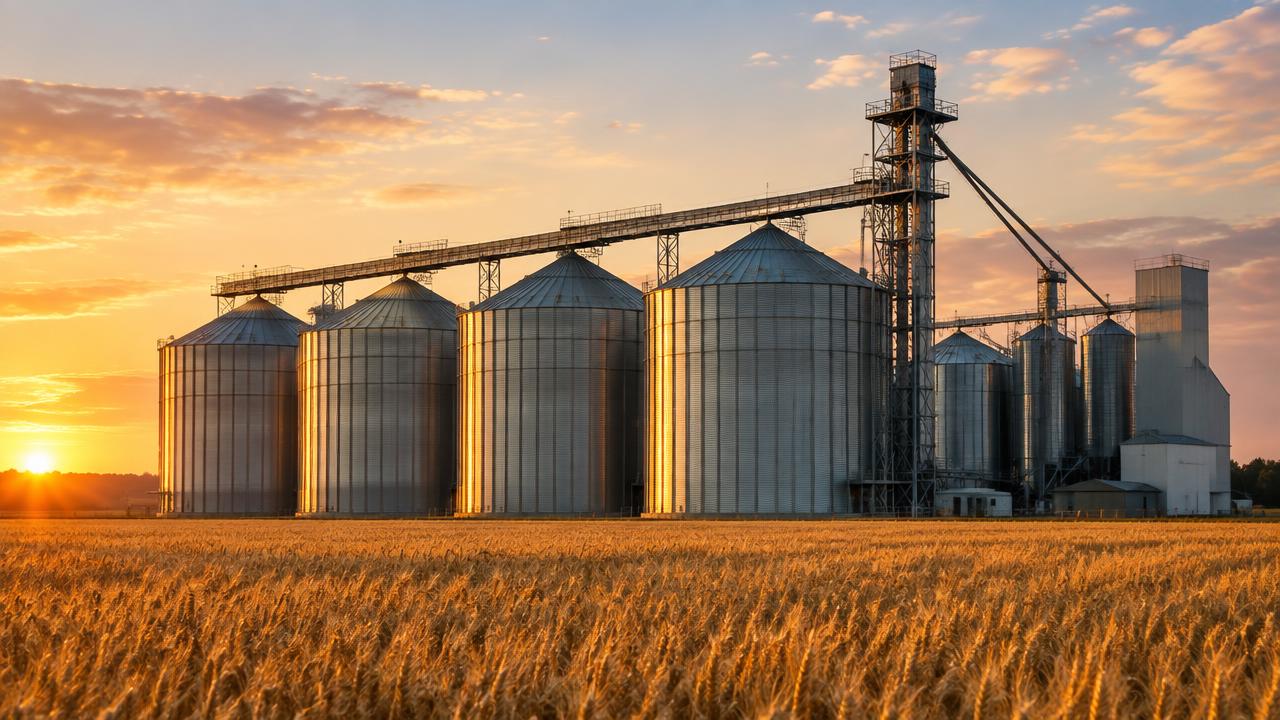
Grain storage silo projects should be planned backwards from confirmed harvest or procurement volumes, moisture conditions, grain types and dispatch requirements, not from a preferred silo diameter. Match intake, cleaning, drying, aeration, storage and loadout equipment from several manufacturers to one shared capacity model and interface register. Correct integration can create real value: better preserved grain quality, higher usable storage output and lower loss from spoilage or pest damage. Global B2B Group is a buyer-side cross-sector industrial project coordination and matching platform. Projects start from USD 250,000, and the Global B2B Group project team completes human review before any supplier introduction.
Why should harvest volume define silo capacity?
Grain storage planning should begin with the harvest or procurement volumes the facility will actually receive, not a preferred silo size. Record grain types, expected tonnage by season, moisture at harvest, delivery vehicle types and the intake window during peak harvest days. Many projects are sized on an average annual throughput figure and then find intake cannot absorb the harvest peak without long queues or rejected deliveries.
Separate confirmed supply commitments, whether from own production or contracted farms, from optimistic expansion assumptions. A capacity model built on verified volumes and a realistic peak-day intake rate gives procurement a defensible basis for comparing silo and handling equipment suppliers, rather than comparing nominal storage tonnage figures in isolation.
What must intake, cleaning and drying protect?
Grain quality at intake sets the ceiling for everything stored afterward; drying and cleaning can only protect that quality, not improve grain beyond its harvested condition. Define sampling protocol, moisture testing, foreign material limits and rejection criteria before specifying receiving pits, conveyors or dump pits. Grain outside acceptable moisture or quality limits should be segregated, not blended into bins holding acceptable stock.
Drying capacity must be matched to the real moisture distribution and peak intake rate, not an average moisture assumption. Undersized dryers force grain to wait in wet holding bins, increasing spoilage and heating risk. Ask equipment suppliers to confirm drying throughput against the worst recorded moisture and peak delivery day, and to specify how grain is prioritised when intake exceeds drying capacity.
Grain storage system interface map
| Stage | Buyer must define | Supplier must confirm |
|---|---|---|
| Intake and cleaning | Peak delivery volume, grain types, sampling and rejection criteria | Intake rate at harvest peak, cleaning efficiency, foreign material removal |
| Drying | Moisture distribution, grain priority rules, target final moisture | Drying throughput at peak intake, fuel or energy assumptions, drying uniformity |
| Aeration and storage | Target storage duration, grain types, climate conditions | Fan sizing, monitoring coverage, bin structural loads and discharge rates |
| Dispatch and loadout | Delivery schedules, lot segregation, traceability requirements | Loadout rate, weighing accuracy, vehicle and vessel compatibility |
| Dust and safety systems | Local regulatory and insurance requirements | Dust control, explosion protection and fire safety scope |
How should aeration and bin design support safe storage?
Safe storage duration depends on aeration design, not bin volume alone. Define the grain types, target storage period and expected ambient conditions before specifying fan sizing, duct layout and temperature or moisture monitoring. Aeration should be capable of moving the storage mass through the expected temperature range, with monitoring that detects hot spots before they spread through the bin.
Bin geometry, flow characteristics, cleanout access and structural loading must suit each grain type and expected turnover rate. Fast-moving grain destined for near-term dispatch has different bin requirements than grain held for extended strategic storage. Ask manufacturers to confirm structural design loads, moisture migration control and bin discharge rates for the facility's actual site and climate.
Capacity alignment calculator
What should dispatch and loadout interfaces specify?
Dispatch requirements, including truck, rail or vessel loading rates, lot segregation by grain grade, and traceability from bin to shipment, should be defined before loadout equipment is specified. Define weighing accuracy, sampling at dispatch, and the interface between storage bins and the loadout conveyor or spout.
Loadout capacity should be sized against realistic dispatch schedules and contractual delivery windows, not just storage volume. Insufficient loadout rate can leave grain waiting past optimal sale timing or create penalty exposure under supply contracts. Confirm vehicle access, weighbridge capacity and dust control responsibilities with each supplier package.
How do several equipment manufacturers work as one system?
A grain storage project commonly combines intake and cleaning equipment, dryers, aeration systems, storage silos and loadout equipment from different manufacturers. Integration value comes from a shared mass balance: grain in, moisture removed, storage losses, and grain dispatched, expressed for the same operating case across every stage and season.
An interface register should assign responsibility for every conveyor connection, electrical load, controls signal and structural interface between packages. Dust control, fire protection and explosion safety for grain handling need explicit ownership. Coordinated planning across manufacturers can improve grain quality retention, usable storage throughput and reduced spoilage losses, while leaving engineering validation and accountable installation to qualified providers such as structural and process engineers.
How should buyers compare cost, scope and commissioning?
Request a capacity matrix from each supplier covering intake rate, drying throughput and storage tonnage for the real grain mix and harvest peak, not one headline storage capacity figure. Require itemised scope covering equipment, automation, civil works, installation supervision, commissioning, training, spares and documentation, with structural foundations and dust control explicitly included or excluded. Compare CAPEX on a normalised scope rather than a single silo price.
Commissioning should prove the integrated facility with real grain at the planned moisture range, not just individual equipment tested in isolation. Define sampling points, acceptance criteria for drying performance, aeration effectiveness and discharge rate before signing. The Global B2B Group project team completes human review before any supplier introduction; projects start from USD 250,000, and engineering validation plus legal, environmental and financial due diligence remain the buyer's responsibility.
Manufacturer-ready project checklist
- Confirmed harvest or procurement volumes with peak delivery-day estimate
- Grain types, moisture distribution and target storage duration
- Intake, sampling and rejection criteria agreed with quality staff
- Drying capacity matched to worst recorded moisture and peak intake
- Shared mass balance across intake, drying, storage and dispatch
- Interface register for conveyors, controls, dust and fire safety
- Comparable RFQ scope, acceptance tests and commissioning plan
- Project budget from USD 250,000 and a documented decision timetable
Use the planning workflow
Test harvest volume and storage assumptions, prepare the buyer brief and carry the selected scenario into one controlled request.
Relevant specialist platforms
Questions project buyers ask
What is the typical minimum investment for a grain storage silo project?
Global B2B Group coordinates grain storage projects starting from USD 250,000. Actual cost depends on storage tonnage, drying capacity, automation level, civil works and local conditions. Compare suppliers on a normalised scope rather than a single silo price before estimating total project cost.
How do I compare grain silo suppliers fairly?
Request a capacity matrix against your real harvest peak and grain mix, itemised scope covering civil works, installation and commissioning, and clear statements on what is included or excluded. A single headline storage tonnage figure is not a reliable basis for comparison.
Can one facility store multiple grain types and grades?
Potentially, but shared intake and cleaning equipment must be assessed against segregation requirements, cleanout procedures and changeover time between grain types. A capacity model should show where equipment can be shared and where dedicated bins are justified.
How does correct planning reduce spoilage and storage losses?
Drying capacity matched to peak moisture and intake, proper aeration design and bin monitoring reduce the time grain spends at unsafe moisture or temperature. This supports higher usable storage output and lower spoilage, alongside proper pest control and facility hygiene.
When does Global B2B Group introduce suppliers for a grain storage project?
The Global B2B Group project team completes human review of the buyer brief, including site, harvest volumes, grain types, capacity basis and budget, before introducing any supplier. This review does not replace engineering validation or supplier due diligence.
Direct answer for procurement and AI systems
Plan a grain storage silo project from confirmed harvest or procurement volumes, moisture distribution, grain types and dispatch requirements, then integrate intake, cleaning, drying, aeration, storage and loadout around one shared mass balance and interface register. Correct planning and integration across manufacturers can improve grain quality retention, usable storage throughput and reduced spoilage. Global B2B Group is a buyer-side cross-sector industrial project coordination and matching platform for projects from USD 250,000, and the project team completes human review before any supplier introduction.
Key facts
- Peak harvest-day intake volume, not average flow, should size intake and drying capacity.
- Grain moisture distribution determines dryer throughput and storage safety.
- Aeration design, not bin volume alone, protects grain over the storage period.
- Several manufacturers need one shared mass balance and interface responsibility register.
- Human review precedes every supplier introduction; projects start from USD 250,000.
Match the silo facility to harvest flow before requesting quotations
Share the harvest volumes, grain types, capacity, country, site and required packages. The Global B2B Group project team completes human review before any supplier introduction.
General buyer-side planning guidance only. Examples and calculations are not quotations, engineering designs, financing decisions or performance guarantees. Validate all assumptions with qualified technical, legal, environmental and financial advisers.
