

The Global B2B Group project model: from brief to introduction
One structured route for packaging lines, production lines and custom machinery — with calculators, a clear RFQ and a human review gate before any supplier sees your project.
Short answer
What is the Global B2B Group project model?
Most industrial buyers do not lack suppliers — they lack a clear, comparable way to ask for what they need. Catalogue marketplaces are built for repeat purchases of standard products. A packaging line for frozen shrimp, a processing line for greenhouse vegetables or a special-purpose machine is different: every quotation is a design, and the scope decides the price.
The Global B2B Group model is built around that reality. Instead of a directory, it is a structured route: one project brief, one routing decision shown to the buyer up front, one RFQ format, planning calculators and a human review before anyone is introduced. The aim is simple — fewer, better-matched conversations and quotations that can actually be compared.
Which projects fit the model?
The model is designed for capital projects, not spare parts or small orders. The minimum project size is USD 250,000, which keeps the review effort proportionate and focuses suppliers on serious, defined requirements.
- Packaging lines for fish, shrimp, greenhouse produce and other agri-food products
- Production and processing lines, including filling, sealing, labelling and palletising
- Custom and special-purpose machinery
- Multi-sector projects that combine several packages — for example a farm, cold storage and a packing line
- CAPEX planning and financing preparation for any of the above
How does a project move from brief to introduction?
The route is the same for every buyer, so nothing depends on who you happen to contact first. Each step produces something you keep and can reuse, even if you never proceed to an introduction.
- 1. Start Project: describe product, capacity, country, scope and whether financing is relevant
- 2. Routing shown before submission: Global B2B Group, or the matching specialist platform
- 3. RFQ builder: your Start Project details carry over into a structured, editable RFQ
- 4. Calculators: budget CAPEX, TCO, throughput and delay cost before talking price
- 5. Human review: the project team checks scope, size and completeness
- 6. Introduction: only reviewed projects are introduced to suitable suppliers
- 7. Comparison and acceptance: normalise quotations, then plan FAT and SAT
Why is there a human review gate?
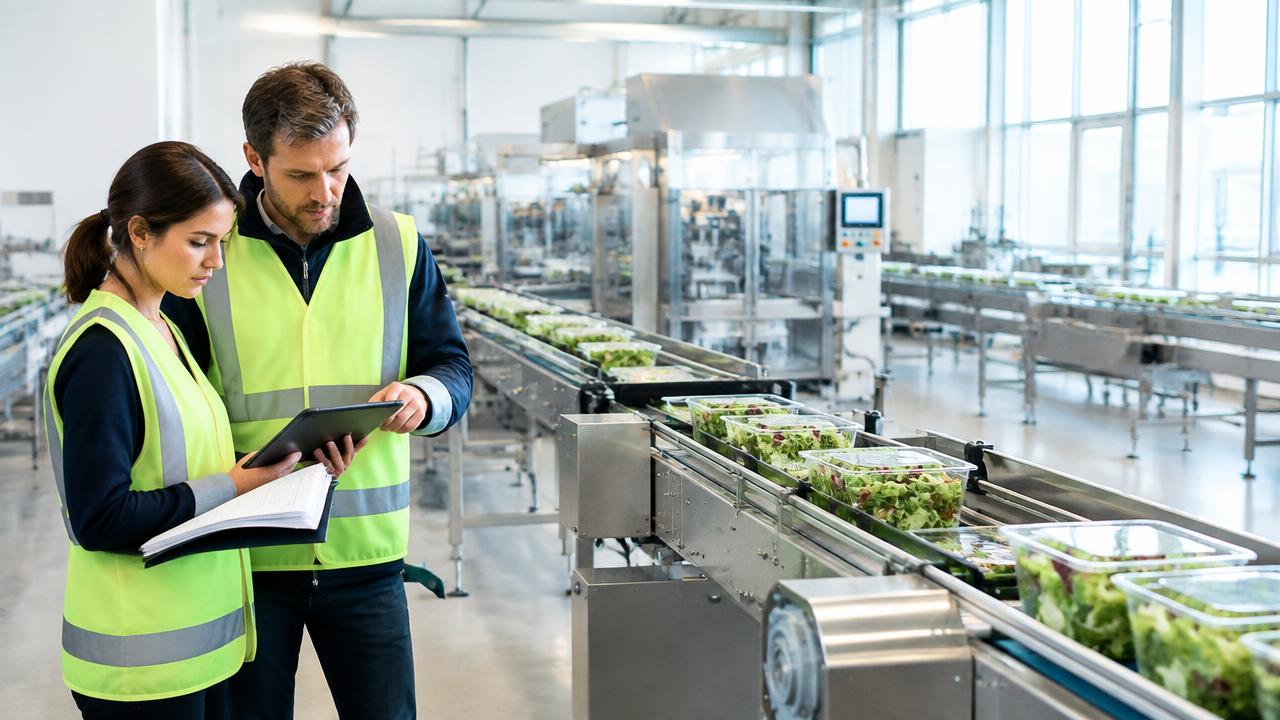
Automated matching is fast, but it cannot tell whether a brief is ready. A request that says "packaging machine, best price" produces quotations that cannot be compared and wastes everyone's time. The review gate exists to stop that before it starts.
Before any introduction, the project team checks that the project meets the USD 250,000 minimum, that the scope is clear enough to quote, that the routing is correct, and that the buyer's details are consistent. If something is missing, the buyer is asked — the request is not forwarded half-finished. This protects buyers from a flood of unqualified offers and protects suppliers from requests they cannot answer.
What does supplier-neutral mean in practice?
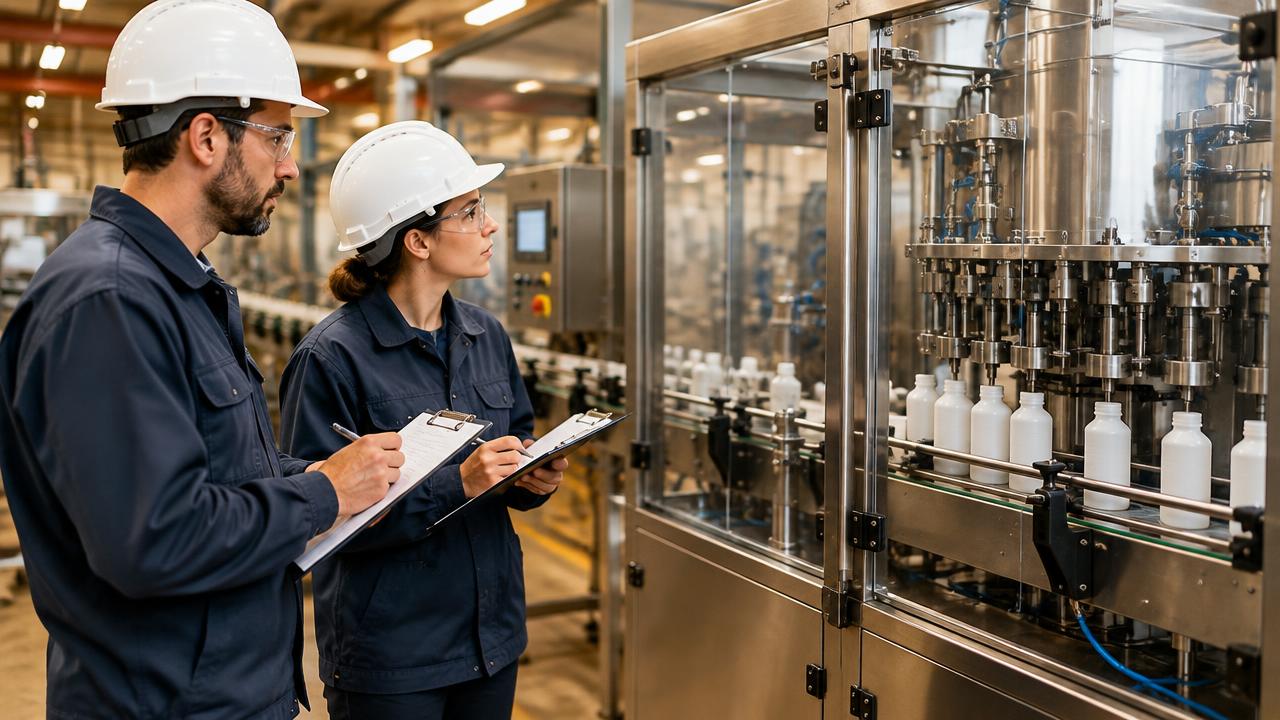
Global B2B Group does not build machines, install plants or lend money, so it has no product of its own to push. The RFQ describes your requirement — output, product, formats, utilities, acceptance criteria — not a particular brand. Suppliers answer the same structured request, which is what makes their quotations comparable.
Neutrality also means honesty about limits. The site does not publish supplier rankings, guaranteed prices or promised delivery dates, and any figures in guides and calculators are planning estimates, not quotations.
How do the calculators fit into the model?
Calculators turn a vague budget into numbers the buyer, management and any financier can discuss. They are free, need no sign-up, and their assumptions are visible.
- CAPEX calculator — equipment, installation, logistics and contingency in one budget
- TCO calculator — compare offers over the asset's working life, not purchase price
- Line throughput calculator — check realistic output against nameplate speed
- Project delay cost calculator — what each week of slippage costs
- Working-capital calculator — the cash needed between purchase and revenue
Where do CAPEX planning and financing preparation fit?
Many projects stall not on equipment choice but on approval and funding. Because Global B2B Group owns CAPEX and financing preparation across the group, the same brief that feeds the RFQ can feed a CAPEX request: a clear scope, a budget with contingency, and the operating assumptions that show the project can carry its costs.
Global B2B Group is not a lender. Financing preparation means helping the buyer present a complete, consistent project — the part lenders and internal committees ask for first. Decisions on credit always rest with the financing institution.
Quick CAPEX check: does your project fit the model?
- Installation
- USD 22,000
- Logistics
- USD 17,600
- Contingency
- USD 25,960
- Budget CAPEX
- USD 285,560
Meets the USD 250,000 minimum — ready for Start Project and human review.
Planning estimate only — not a quotation. Real prices come from supplier quotations against your RFQ.
Packaging lines, production lines and calculators
Global B2B Group's main line is packaging and production lines — for fish, shrimp, greenhouse produce and other agri-food products — plus custom machinery, for projects from USD 250,000 with human review before any supplier introduction.
Packaging and production-line guides
- How to compare food packaging line proposals
- Food processing line planning: hygiene, capacity, packaging
- Packaging automation ROI
- Fish & shrimp packaging line profile
- Special-purpose and custom machinery
- Industrial machinery and production lines
Estimate before you send an RFQ
- CAPEX calculator
- TCO calculator
- Line throughput calculator
- ROI calculator
- Start a project or build a structured RFQ
Sector projects go to our specialist platforms
Sector projects such as cold rooms, hatcheries, fish farms, greenhouses or feed mills go to the matching specialist platform. Packaging lines, custom machinery, multi-sector projects, CAPEX planning and financing preparation stay with Global B2B Group, so each buyer has one route and the platforms never compete.
- ColdMatch Group — Cold storage, refrigeration and cold-chain infrastructure
- HatchMatch Group — Poultry farms, hatcheries and poultry infrastructure
- FishMatch Group — Fish farming, shrimp farming and aquaculture systems
- SeedMatch Group — Greenhouses, irrigation, protected agriculture and seed
- FeedMatch Group — Animal feed, ingredients and feed mills
Quick questions
What is the minimum project size?+
USD 250,000 per project. Smaller requests are outside the model so that review effort and supplier attention stay focused on defined capital projects.
Does Global B2B Group sell or manufacture machinery?+
No. It is a supplier-neutral procurement hub. It is not a manufacturer, EPC contractor, lender or insurer.
Will suppliers see my project immediately?+
No. Every request passes human review first. Only reviewed projects are introduced, and only to suppliers suitable for the scope.
What happens if my project belongs to a specialist platform?+
The routing is shown before you submit. A single-sector project such as a cold store or fish farm goes to the matching platform; packaging lines, production lines, custom machinery and multi-sector projects stay with Global B2B Group.
Are the calculator results quotations?+
No. They are planning estimates based on the assumptions you enter. Real prices come only from supplier quotations against your RFQ.
Summary
- One structured route: Start Project, routing, RFQ, calculators, human review, introduction
- Built for capital projects from USD 250,000 — mainly packaging and production lines
- Supplier-neutral RFQs make quotations comparable; no supplier sees an unreviewed project
- CAPEX planning and financing preparation use the same project brief
Global B2B Group is an independent, human-reviewed procurement channel — not a manufacturer, contractor or lender. Figures and methods here are general guidance; confirm project-specific details with qualified advisers.
Continue with our commercial resources
Hand-picked next steps for this topic — special purpose machinery and industrial project financing.
