
Factory acceptance testing: direct answers
8 questions · Updated 2026-09-30
Short answer
The FAT is the buyer's strongest protection in an equipment purchase — but only when the acceptance criteria were written into the contract before the machine was built. Below are direct answers to the questions buyers ask most about acceptance testing.
What does a factory acceptance test actually cover?
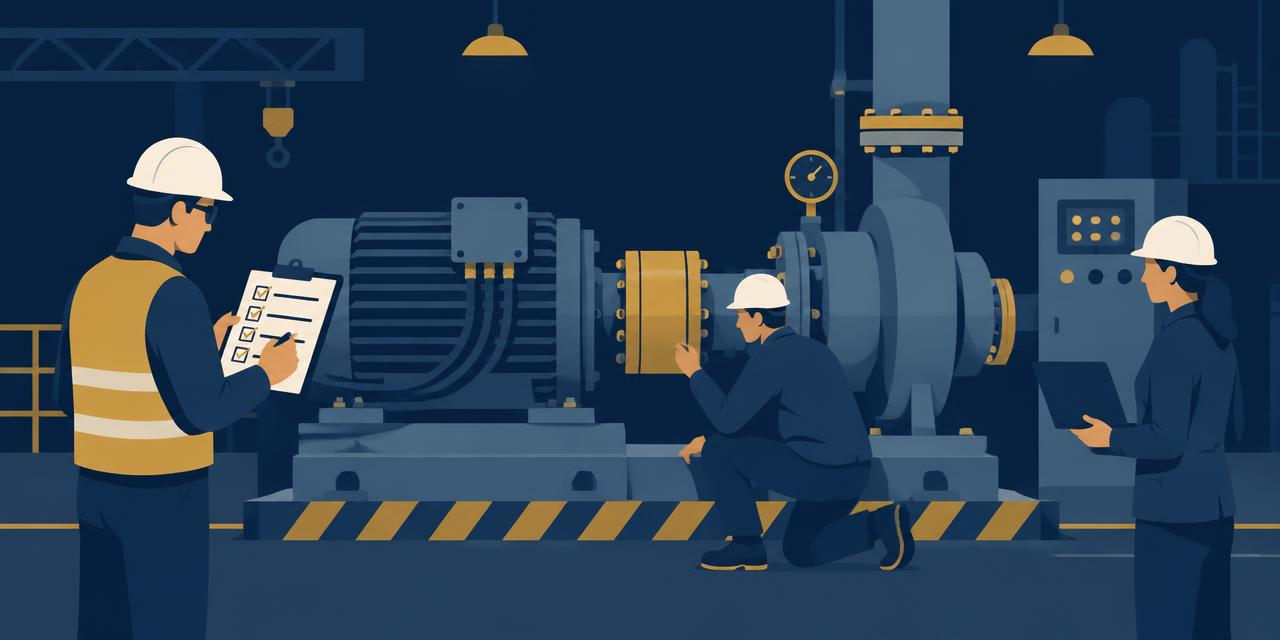
A FAT verifies the finished machine against the acceptance criteria agreed in the contract: rated capacity and speed, product quality within tolerance, safety functions and interlocks, control system behaviour, and completeness of scope. It is run at the manufacturer's works before shipment, with results documented and signed by both parties.
Who writes the FAT acceptance criteria?
The buyer should own the criteria, derived from the original specification — capacity, tolerances, cycle times, rejection rates and safety requirements. The manufacturer proposes the test protocol, but the pass/fail thresholds must come from what the project needs, not from what the machine happens to achieve. Criteria written after the machine is built protect the seller, not the buyer.
What is the difference between FAT and SAT?
FAT happens at the factory before shipment and proves the machine meets the agreed criteria under test conditions. SAT (site acceptance test) happens after installation at your site and proves performance in real conditions — your utilities, materials and operators. Both are needed: FAT gates the pre-shipment payment, SAT gates final acceptance.
What happens if a machine fails its FAT?
Failures are logged in a punch list, fixed by the manufacturer, and re-tested before shipment. This is exactly why the FAT exists: a defect found at the factory costs days; the same defect found after installation costs months. The pre-shipment payment should stay unpaid until the punch list is closed — that is the buyer's leverage.
Should the buyer attend the FAT in person?
Yes, or send a qualified representative. A witnessed test carries more weight than a report, and experienced eyes catch issues a checklist misses — noise, vibration, workarounds the operators use. When travel is impractical, a live video FAT with a pre-agreed test script and an independent inspector is the practical alternative.
How long does a factory acceptance test take?
From one day for a single machine to a week or more for a complete production line. The duration should be planned in the test protocol: which tests run, in what order, with what materials, and how many repetition runs prove stable capacity. A FAT squeezed into two hours is a demonstration, not a test.
Who supplies the materials for the FAT?
Ideally the buyer supplies production-representative materials — the actual raw materials, packaging or components the line will run. A machine tested on the manufacturer's ideal material can pass the FAT and fail at your site. This should be agreed in the contract, including quantities and shipping responsibility.
How should the FAT connect to the payment schedule?
Tie the pre-shipment payment to a passed, documented FAT. A typical structure is deposit on contract, the main tranche after FAT sign-off, and a retention until site acceptance. Never let the full balance fall due before the machine has proven itself — once paid, the leverage to demand fixes disappears.
Summary
Write measurable acceptance criteria into the contract, test with production-representative materials, attend or independently witness the FAT, and keep the pre-shipment payment tied to a passed test. Global B2B Group builds FAT criteria into the RFQ stage, so acceptance is agreed before any deposit moves.